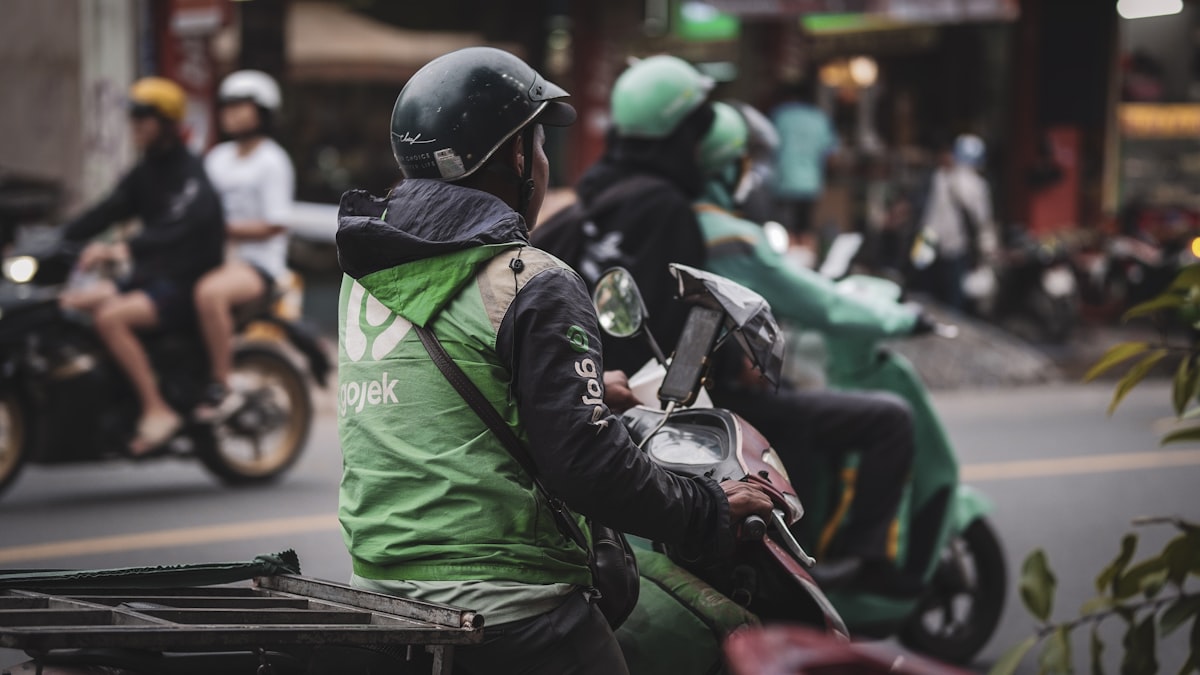
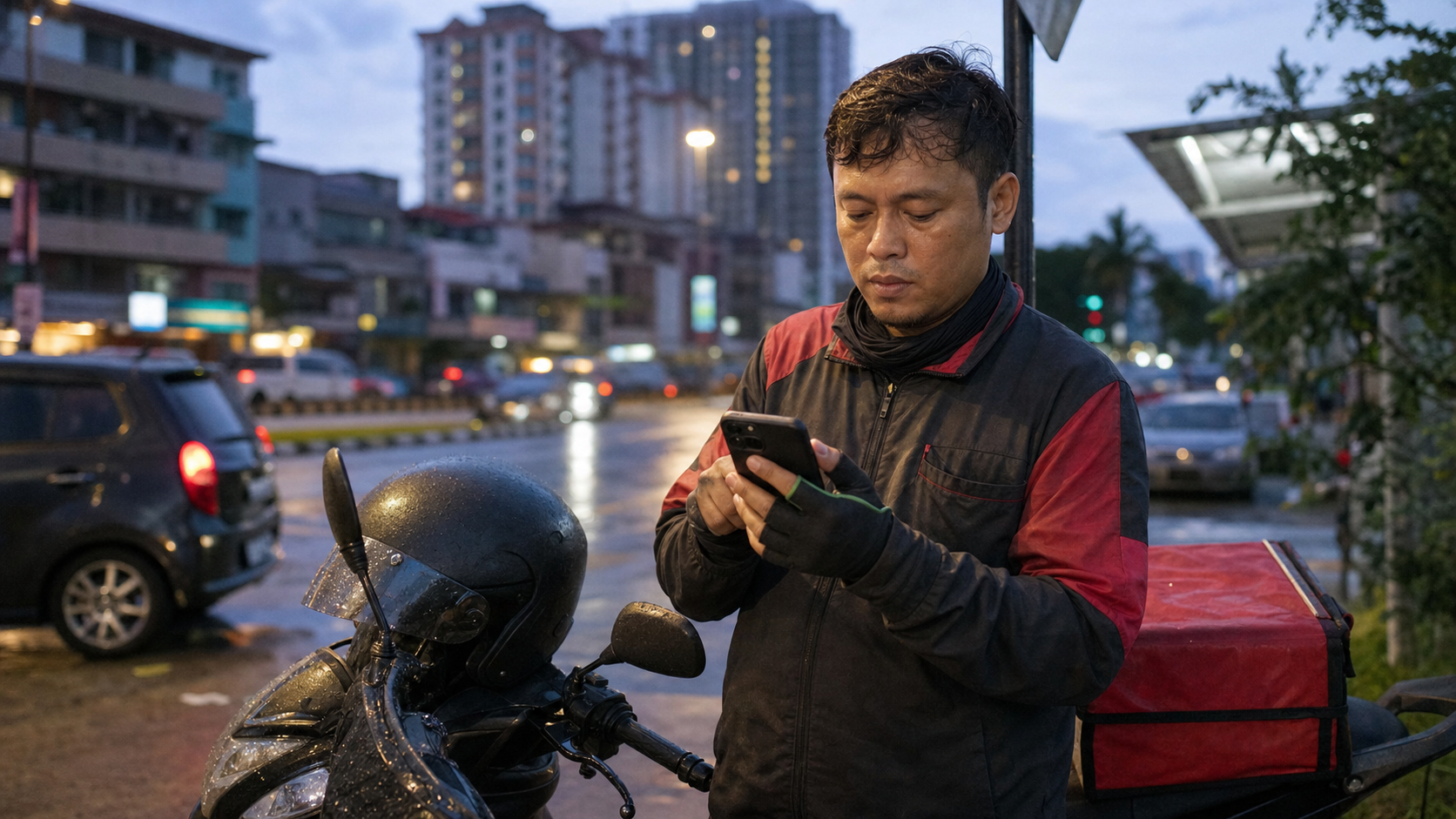
The platform says you can earn RM3,000 a month. You can. The question is what it costs you to do it — and what you are not building while you do.
31 May 2026
2 min read-- reading now
The recruitment ad says you can earn up to RM5,000 a month driving for the platform. Some drivers do. Most earn somewhere between RM2,500 and RM3,500 putting in a full working week.
Take RM3,000 as the working number. Then do the maths the ad does not do for you.
The first deduction is petrol. An active Grab driver in Kuala Lumpur covers roughly 3,000 kilometres a month — a conservative estimate for someone working consistent hours. At typical city fuel consumption of 12 litres per 100 kilometres, that is 360 litres. At RM1.99 per litre for RON95, you are spending approximately RM717 on petrol every month.
Your car is also being used at rates it was not designed for. Service intervals come faster. Tyres wear quicker. Brake pads need replacing sooner. Budget RM150 a month for maintenance — less than many drivers actually spend, but defensible as an average.
Then there is depreciation. Every kilometre you drive is kilometres off the life of your vehicle. A Perodua Myvi depreciates at roughly RM400 to RM500 per month when used at gig-economy intensity. Your car is a business asset being consumed. That cost is real even if it does not appear as a monthly bill.
RM3,000 minus RM717 minus RM150 minus RM450 is RM1,683.
That is what you are actually earning.
But the cost that does not show up in any of these calculations — the one that matters most over time — is what you are not getting.
A salaried employee earning RM3,000 receives an additional RM390 per month from their employer into EPF, without any reduction to their take-home pay. They receive SOCSO coverage. They receive EIS eligibility. They receive paid sick leave. They receive paid annual leave.
A gig worker receives none of this.
The RM390 monthly EPF employer contribution alone is RM4,680 a year that a salaried worker at the same gross income receives automatically. Over a ten-year career, that compounds into something significant.
None of this makes driving for the platform a bad choice. For some people, the flexibility is worth the tradeoff. For others, it is a bridge between jobs or a second income.
But it is not RM3,000 a month. It is RM1,683 — plus whatever value you assign to the retirement savings you are not building.
The platform earns from your time. It does not carry your costs.
Iklan pengambilan itu mengatakan anda boleh memperoleh sehingga RM5,000 sebulan dengan memandu untuk platform. Sesetengah pemandu memang berjaya. Kebanyakan memperoleh antara RM2,500 dan RM3,500 dengan bekerja penuh masa.
Mari kita ambil RM3,000 sebagai angka kerja. Dan kemudian mari kita buat matematik yang iklan itu tidak buat untuk anda.
Potongan pertama ialah petrol. Pemandu Grab aktif di Kuala Lumpur meliputi lebih kurang 3,000 kilometer sebulan — itu adalah anggaran konservatif bagi seseorang yang bekerja dengan waktu yang konsisten. Pada penggunaan bahan api bandar biasa 12 liter per 100 kilometer, itu ialah 360 liter. Pada RM1.99 seliter untuk RON95, anda membelanjakan lebih kurang RM717 untuk petrol setiap bulan.
Kereta anda juga digunakan pada kadar yang tidak direka untuknya. Selang servis datang lebih cepat. Tayar haus lebih laju. Pad brek perlu diganti lebih awal. Anggarkan RM150 sebulan untuk penyelenggaraan — lebih rendah daripada yang sebenarnya dibelanjakan oleh ramai pemandu, tetapi boleh dipertahankan sebagai purata.
Kemudian ada susut nilai. Setiap kilometer yang anda pandu adalah kilometer yang hilang dari hayat kenderaan anda. Sebuah Perodua Myvi susut nilai lebih kurang RM400 hingga RM500 sebulan apabila digunakan pada intensiti ekonomi gig. Kereta anda adalah aset perniagaan yang sedang digunakan habis. Kos itu nyata walaupun ia tidak muncul sebagai bil bulanan.
RM3,000 tolak RM717 tolak RM150 tolak RM450 ialah RM1,683.
Itulah yang sebenarnya anda peroleh.
Tetapi kos yang tidak muncul dalam mana-mana pengiraan ini — yang paling penting dari masa ke masa — ialah apa yang anda tidak dapat.
Seorang pekerja bergaji yang memperoleh RM3,000 menerima tambahan RM390 sebulan daripada majikan mereka ke dalam KWSP, tanpa sebarang pengurangan pada pendapatan bersih mereka. Mereka menerima perlindungan PERKESO. Mereka menerima kelayakan SIP. Mereka menerima cuti sakit berbayar. Mereka menerima cuti tahunan berbayar.
Pekerja gig tidak mendapat satu pun daripada ini.
Caruman majikan KWSP sebanyak RM390 sebulan sahaja sudah menjadi RM4,680 setahun yang seorang pekerja bergaji pada pendapatan kasar yang sama terima secara automatik. Selama tempoh kerjaya sepuluh tahun, jumlah itu berganda menjadi sesuatu yang ketara.
Tiada satu pun daripada ini menjadikan pemanduan untuk platform sebagai pilihan yang buruk. Bagi sesetengah orang, fleksibilitinya berbaloi dengan pertukaran itu. Bagi yang lain, ia adalah jambatan antara pekerjaan atau pendapatan kedua.
Tetapi ia bukan RM3,000 sebulan. Ia adalah RM1,683 — ditambah apa sahaja yang anda tetapkan untuk simpanan persaraan yang tidak anda bina.
Platform memperoleh daripada masa anda. Ia tidak menanggung kos anda.