Culture
The Second Life of Penang Street Food
As heritage tourism transforms Georgetown's hawker culture, the vendors who built it are asking whether the attention is helping them, or slowly replacing them.
Topic
Stories on Malaysian culture, identity, heritage, and the habits that shape daily life.
Browse recent culture stories from The Times of Malaya.
As heritage tourism transforms Georgetown's hawker culture, the vendors who built it are asking whether the attention is helping them, or slowly replacing them.
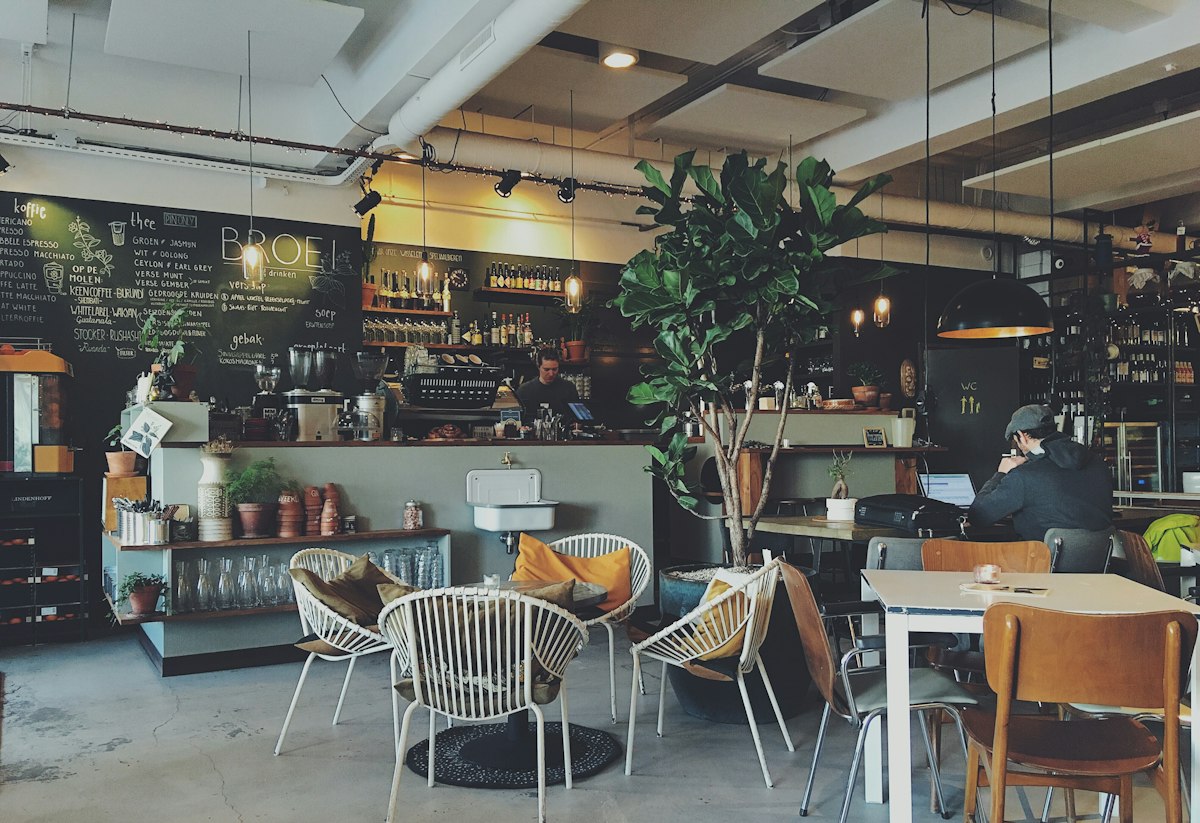
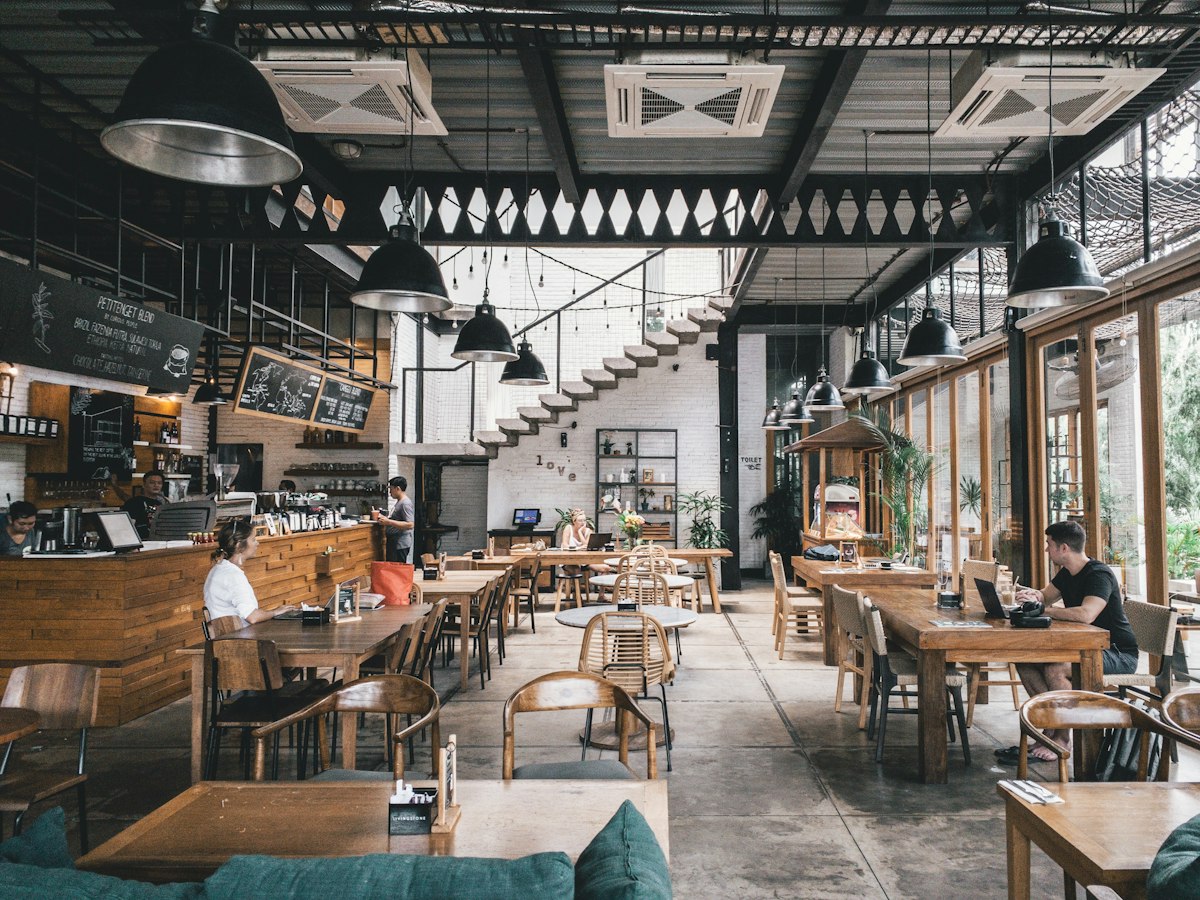
It is eleven in the morning on a Tuesday and every table has a laptop on it. This is not unusual. It has not been unusual for a while.
He knows which lift is faster. He knows the access code nobody uses. He has been here more often than some of the people who live here.
He came for the cost, mostly. What his income does here is categorically different from what it does at home.
The tiles on the floor are original, which means they're older than most of the people eating here.
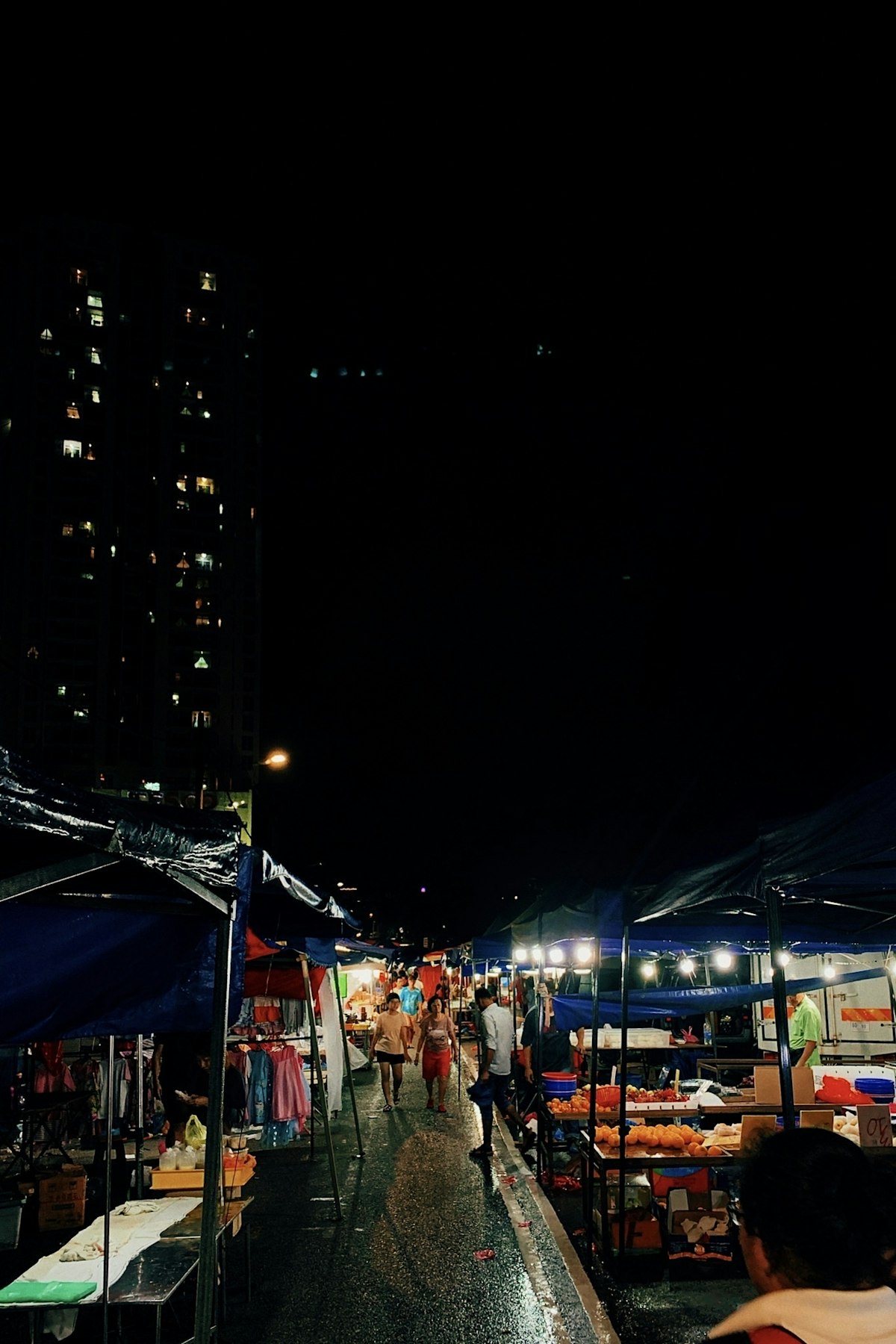
The pasar malam was never supposed to be permanent. That's precisely why it has survived everything thrown at it.
The ones who send voice notes and the ones who respond to voice notes with text. There is no neutral ground.
Every hospital waiting room has them. Every school staffroom. The framed portraits of people a society has decided to remember.
Bahasa Malaysia is known. It's just not always the language the day happens in.
The guest list is three hundred people. The couple has been engaged for two years, saving every month. They still had to take a loan.
Every Thursday evening, the same stretch of road became something else entirely.
At 2am, the mamak is still full, and nobody there is asking what you do for work.