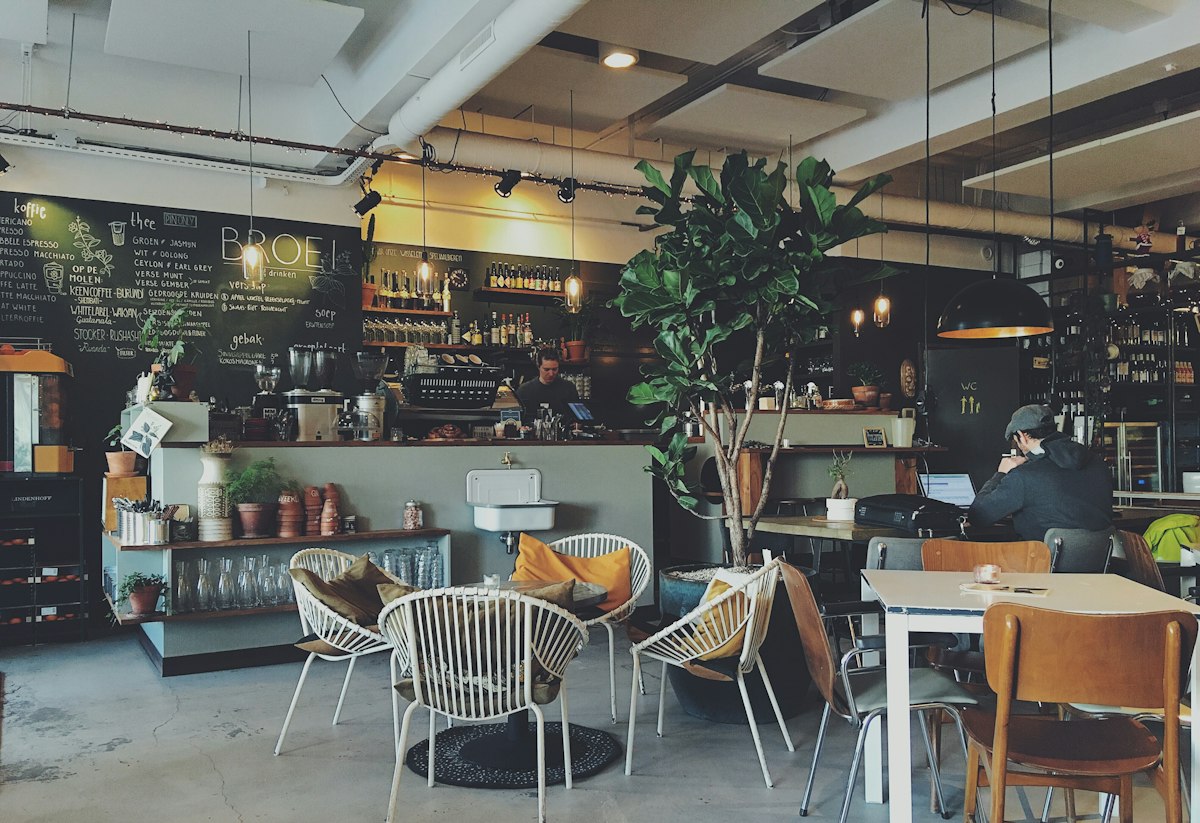
It is eleven in the morning on a Tuesday and every table has a laptop on it. This is not unusual. It has not been unusual for a while.
20 January 2026
3 min read-- reading now
It is eleven in the morning on a Tuesday and every table has a laptop on it. This is not unusual. It has not been unusual for a while.
The shift happened gradually and then permanently. Working from home was the emergency arrangement that became, for a significant portion of the workforce, just working. The office became something you went to sometimes, for meetings that could not be avoided and for the colleagues you wanted to see rather than the ones you had to. And the cafe became the third option — not home, because home has its own distractions, and not the office, because the office has its own obligations. The cafe is the neutral territory.
What makes a good work cafe is a specific combination of things. Wifi that works, outlets that are accessible, coffee that is not an afterthought. Seating that allows you to stay for two hours without feeling like you are taking advantage. Ambient noise at exactly the right level — loud enough to provide cover, not so loud it breaks concentration. Malaysians have become highly specific about this. There is an informal review ecosystem — of wifi speeds, of outlet availability, of whether the staff are the kind who refill your water without being asked.
The cafe owners have learned. The places that resisted the laptop crowd discovered that the laptop crowd went elsewhere. The places that embraced it discovered they had a reliable midweek clientele who arrived at nine and stayed until lunch. The trade-off is the turnover, or rather the lack of it. The person nursing a single Americano for three hours is not the highest-value customer. But they are a consistent one.
The sociology of who does this is specific. It is people in certain kinds of jobs, jobs that live in screens and documents and calls. It is people who have some control over their time. It is not universal. The worker in the logistics company going into the warehouse at eight does not have the option of the work cafe. The nurse. The teacher. The Grab driver.
The slice has grown large enough to become a feature of the city. You go to certain streets and you know the quality of the wifi on them the way an earlier generation knew which streets had the best hardware shops. The city has reconfigured slightly to accommodate this way of working, and the way of working has reconfigured slightly to fit what the city offers.
It is, on balance, a reasonable arrangement. The coffee is good. The wifi works. The plants are real.
Pukul sebelas pagi hari Selasa dan setiap meja ada laptop di atasnya. Ini tidak luar biasa. Ia sudah lama tidak luar biasa.
Peralihan itu berlaku secara beransur-ansur dan kemudiannya kekal. Bekerja dari rumah adalah pengaturan kecemasan yang menjadi, bagi sebilangan besar tenaga kerja, hanya bekerja. Pejabat menjadi sesuatu yang anda pergi kadang-kadang, untuk mesyuarat yang tidak dapat dielakkan dan untuk rakan sekerja yang anda mahu jumpa daripada yang perlu anda jumpa. Dan kafe menjadi pilihan ketiga — bukan rumah, kerana rumah mempunyai gangguan tersendiri, dan bukan pejabat, kerana pejabat mempunyai kewajipan tersendiri. Kafe adalah kawasan neutral.
Apa yang menjadikan kafe kerja yang baik adalah gabungan perkara yang spesifik. Wifi yang berfungsi, soket yang boleh diakses, kopi yang bukan sekadar renungan. Tempat duduk yang membolehkan anda kekal selama dua jam tanpa rasa seperti mengambil kesempatan. Bunyi ambien pada tahap yang betul-betul tepat — cukup kuat untuk memberi perlindungan, tidak terlalu kuat sehingga memecah tumpuan. Rakyat Malaysia telah menjadi sangat spesifik tentang ini. Ada ekosistem ulasan tidak rasmi — tentang kelajuan wifi, ketersediaan soket, sama ada kakitangan jenis yang menambah air anda tanpa perlu diminta.
Pemilik kafe telah belajar. Tempat yang menolak kumpulan laptop mendapati kumpulan laptop pergi ke tempat lain. Tempat yang menerimanya mendapati mereka mempunyai pelanggan pertengahan minggu yang boleh dipercayai yang tiba pada pukul sembilan dan kekal sehingga makan tengah hari. Pertukaran itu adalah perolehan, atau lebih tepat kekurangannya. Orang yang menikmati satu Americano selama tiga jam bukan pelanggan dengan nilai tertinggi. Tetapi dia adalah pelanggan yang konsisten.
Sosiologi siapa yang melakukan ini adalah spesifik. Ia adalah orang dalam jenis pekerjaan tertentu, pekerjaan yang hidup dalam skrin dan dokumen dan panggilan. Ia adalah orang yang mempunyai kawalan tertentu ke atas masa mereka. Ia bukan universal. Pekerja di syarikat logistik yang masuk ke gudang pada pukul lapan tidak mempunyai pilihan kafe kerja. Jururawat. Guru. Pemandu Grab.
Potongan ini telah berkembang cukup besar untuk menjadi ciri bandar. Anda pergi ke jalan-jalan tertentu dan anda tahu kualiti wifi di sana seperti generasi terdahulu tahu kedai perkakasan mana yang terbaik di jalan mana. Bandar telah sedikit dikonfigurasikan semula untuk menampung cara bekerja ini, dan cara bekerja telah sedikit dikonfigurasikan semula untuk sesuai dengan apa yang bandar tawarkan.
Ia adalah, secara keseluruhannya, susunan yang munasabah. Kopinya enak. Wifi berfungsi. Pokok-pokoknya nyata.