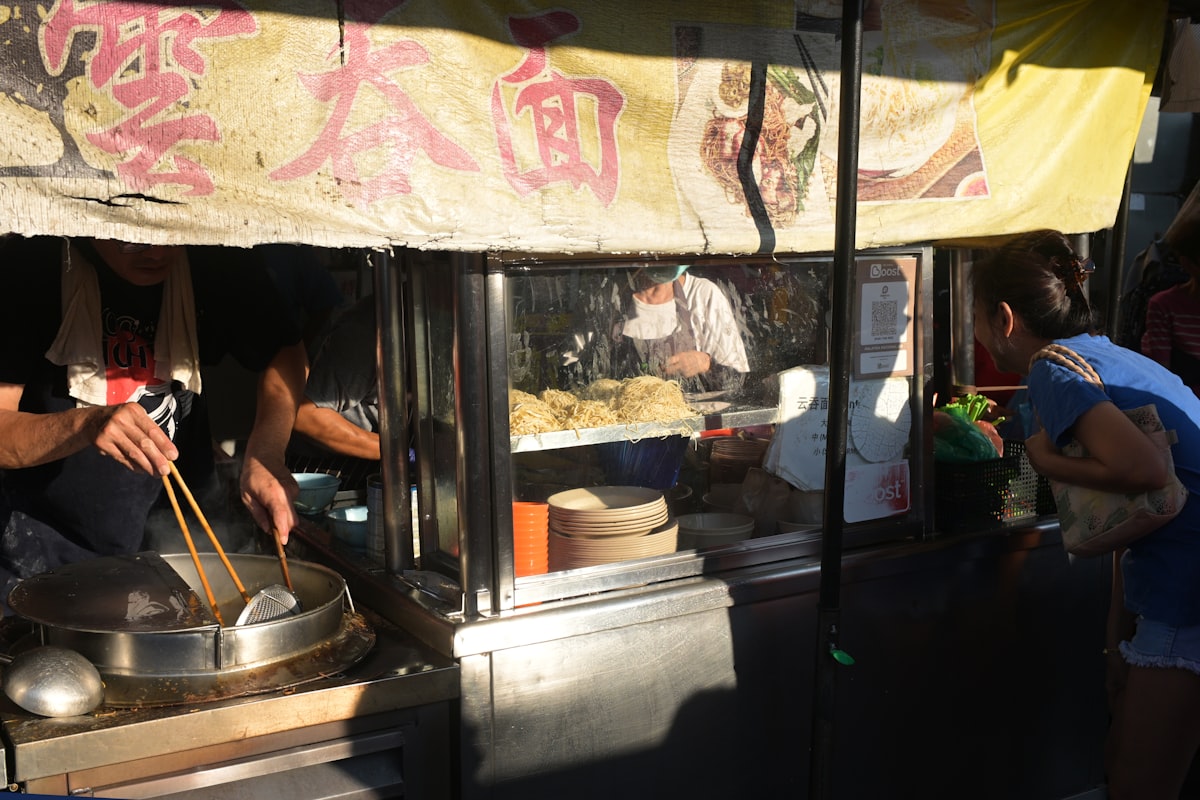
The kedai owner can tell you the price of every ingredient he bought this week.
He knows exactly what he paid for chicken two weeks ago, and how that compares to the month before. He knows which supplier gives better credit terms and which one charges more if you order less. He has been running this operation for eleven years and he understands it, in the way that people who have done something long enough understand it, not from a spreadsheet but from feel.
But if you ask him whether the business made money last year, he is not sure.
Not the revenue. Not the turnover. Whether the business was profitable, whether what came in exceeded what went out by enough to have been worth it, he genuinely cannot tell you.
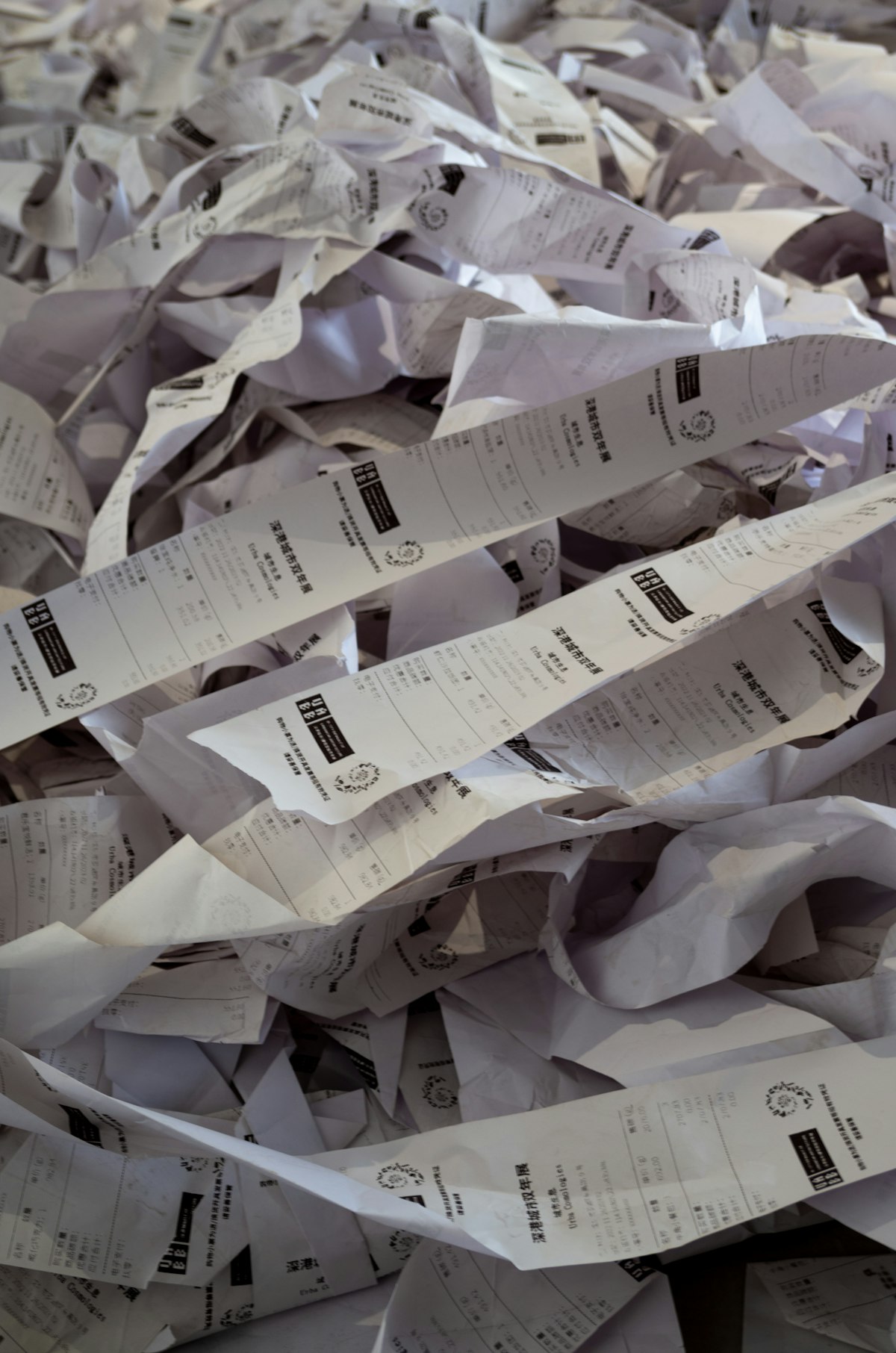
The receipt box under the counter is full. That is what he can tell you.
The System That Works, Until It Doesn't
Most Malaysian small businesses start with an informal system, because informal is what works at the start. You keep receipts. You know roughly what comes in each day. You pay your bills when they arrive. At the end of the month you look at what's in the account and draw a rough conclusion.
This system is not wrong. For a business run by one person who knows every transaction personally, it can function for years. The owner is the books, it all lives in his head and in that box.
The problem is not the system. The problem is the moment it stops being enough.
That moment usually arrives in one of four ways.
Tax season. LHDN wants numbers. Not your impression of numbers. Actual, reconciled, documented figures. What the business earned, what it spent, what it owes. The receipt box gets pulled out and the panic begins.
A bank loan. You want to expand. Buy equipment. Take on a second location. The bank wants to see two years of accounts. You do not have accounts. You have a box.
A new partner or investor. Someone wants to put money in. They want to see the books before they do. You explain that the books are not exactly... organised. The conversation goes badly.
Something goes wrong. A supplier dispute. A customer who does not pay. A question about whether a particular cost is legitimate. Without proper records, you cannot prove anything in either direction.
Each of these moments is manageable when it arrives as a one-off. When they arrive together, which they tend to as businesses grow and complicate, the receipt box stops being a charming informality and starts being a liability.
What You Actually Need to Know About Your Business
The minimum a Malaysian SME owner needs to be able to answer, at any point in the year:
How much did the business earn this month? Not bank deposits, revenue. Money owed to you plus money received.
How much did it cost to earn that? Cost of goods, staff, rent, utilities, everything that went into producing what you sold.
What is the gap between those two numbers? That is your operating profit, or the absence of it.
What does the bank account actually show, and why is it different from the profit figure? That difference, between profit and cash position, is where most cash flow problems live.
What do you owe, and to whom, and when? Payables that you have not yet settled are real costs even if they have not left the account.
Most business owners know some of these things. Very few know all of them at the same time, on demand, with enough accuracy to make decisions against them.
The Moment You Need to Show Someone Else
Running a business on feel works when you are the only person who needs to understand it.
It stops working the moment someone else needs to understand it too, a bank officer, a tax consultant, a potential business partner, a family member who wants to know if the business they are helping to fund is actually viable.
At that moment, the informal system produces a specific kind of problem: not just missing documents, but missing credibility. You cannot prove what you know to be true. You cannot show the profit you believe exists. You cannot demonstrate, with numbers, that the business is what you say it is.
Lenders have seen this before. So have auditors. So have business advisors. The business owner who runs a legitimate, profitable operation but cannot show the paperwork is in almost the same position as one who cannot, and that position is: unable to get the loan, the partner, or the clean tax filing.
What Getting the Books in Order Actually Involves
This is the part that business owners tend to overestimate in difficulty.
Proper bookkeeping for a Malaysian SME is not a complicated operation. It is recording what comes in, what goes out, and what you owe. Consistently. Monthly. With supporting documents.
The output is three things: a profit and loss statement (how the business performed), a balance sheet (what the business owns and owes), and some version of a cash flow view (what is actually moving through the account).
For most small businesses, this does not require a full-time accountant. It requires someone doing it properly, whether that is the owner learning a system, a part-time bookkeeper, or an outsourced service that does it for you monthly.
What it does require is that it gets done. Not at tax season in a frantic backwards reconstruction, but month by month, while the memory is fresh and the receipts are still legible.
The receipt box under the counter is not a problem if someone empties it into a system at the end of every month.
It only becomes a problem when nobody does.
Once the books are in order, the next question is what they are actually telling you. Specifically the difference between profit on paper and money in the bank. That is a different and equally important problem, covered in Your Business Made Money Last Month. So Why Is Your Account Empty?
MacroByte (macrobyte.my) offers monthly bookkeeping and financial reporting for Malaysian SMEs, so your numbers are ready when you need them, not rebuilt from scratch when it's too late.