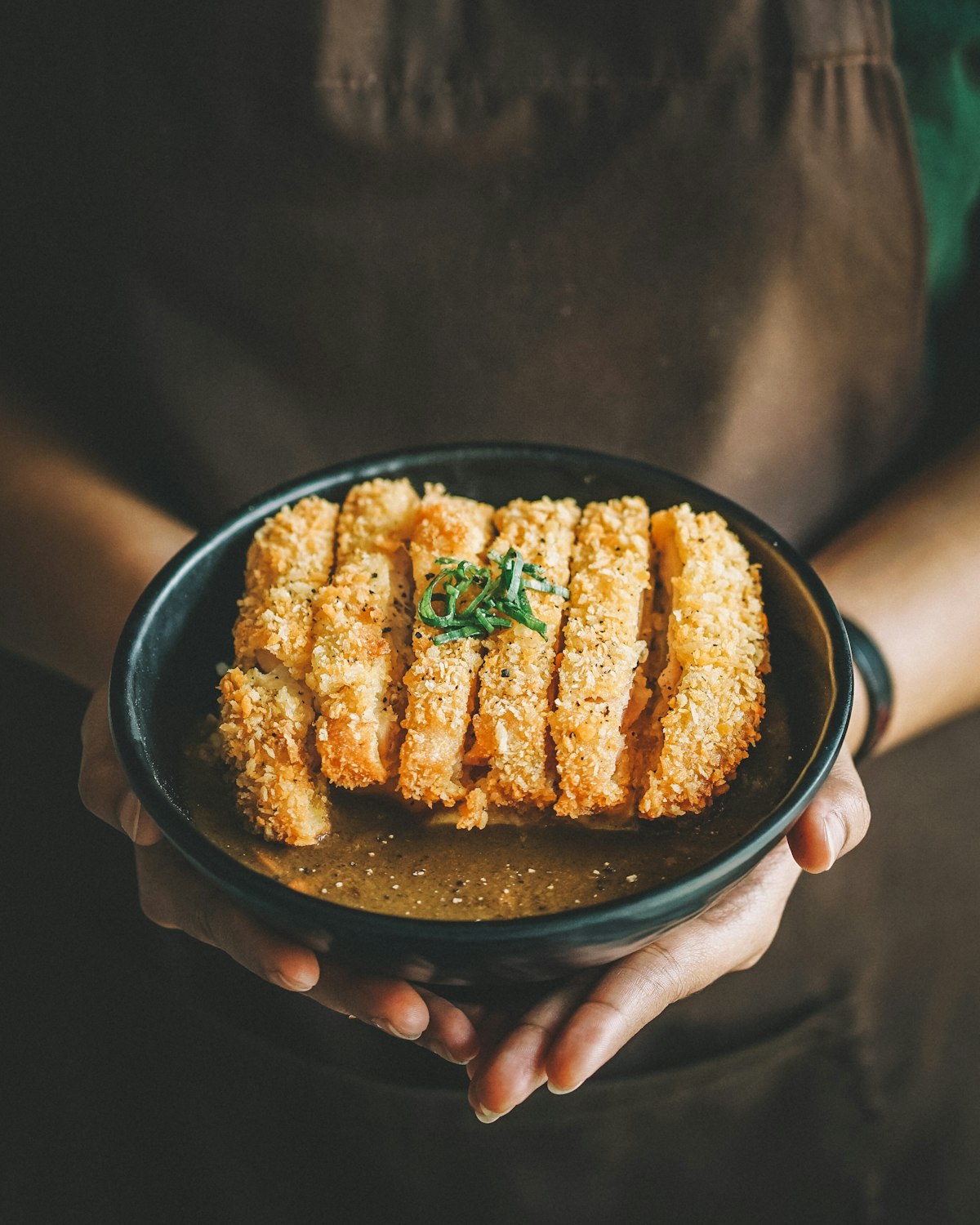
On Lorong Baru, a lane barely wide enough for two motorcycles to pass, Ah Kow has been frying char kway teow since 1987. His stall has no sign. It has no Instagram page. The wok is older than some of his customers.
He has also, in the last three years, become famous.
Not by choice. A food blogger posted a video of him in 2023, capturing the fire leaping from the wok, the perfect char on the flat noodles, the economy of his movements after thirty-five years of practice, and it went viral on TikTok. Since then, the queue on weekend mornings stretches past the provision shop next door.
"Last time," Ah Kow told me, "my customers were the people who lived here. Now half of them are tourists. Some come from KL. Some come from overseas."
He is not complaining. Not exactly. But he paused before continuing.
"They line up for one hour, two hours. They want to feel something. I understand. But sometimes I wonder: what are they lining up for?"
The heritage economy
Georgetown was designated a UNESCO World Heritage Site in 2008. That decision, and the tourism boom that followed, transformed Penang's relationship with its own culture. Things that had simply existed, the shophouses, the clan jetties, the hawker stalls, were reclassified as heritage. Which is to say, as assets.
The rebranding has brought money and attention. It has also created a peculiar pressure: the pressure to remain. Not merely to survive economically, but to remain as one was, authentic, unchanged, picturesque.
For hawkers like Ah Kow, this pressure is not hypothetical. It shapes what tourists order, what food writers celebrate, and, increasingly, what rents landlords feel they can charge.
What "authentic" costs
Penang's hawker food is, by any measure, extraordinary. The char kway teow, the asam laksa, the Hokkien mee: these are dishes with specific histories, specific techniques, specific communities behind them. Their complexity is real.
But authenticity is also, in the heritage economy, a product. And products have markets.
I spoke to three hawkers over two days in Georgetown. None wanted to be quoted by name, a small but telling sign of how carefully they navigate public attention. All three described a version of the same dilemma: more customers, but also more costs, more scrutiny, and a growing fear that they are being preserved rather than sustained.
"People want the experience," one told me. "But experience is not the same as a meal."
A question of succession
The deeper problem is generational. Hawker food is transmitted person to person, kitchen to kitchen, over years of watching and doing. It cannot be learned from a recipe alone.
The children of most hawkers do not want to do this work. The hours are punishing: starting before dawn, finishing in the afternoon heat, six days a week. The pay, even with tourism, is modest relative to the physical toll.
"My daughter is an accountant," Ah Kow said. "She studied hard. I am glad."
He said this without resentment. But the implication was clear. When he stops frying, the stall will stop. There is no one to hand it to.
Heritage tourism celebrates what exists. It is less well-equipped to ensure what comes next.
This piece is part of an ongoing series on Malaysian food culture and the people who sustain it.
Di Lorong Baru, sebuah lorong yang hampir tidak cukup lebar untuk dua motosikal berselisih, Ah Kow telah menggoreng char kway teow sejak 1987. Gerainya tidak mempunyai papan tanda. Ia tidak mempunyai halaman Instagram. Woknya lebih tua daripada sebahagian pelanggannya.
Dia juga, dalam tiga tahun kebelakangan ini, telah menjadi terkenal.
Bukan atas pilihannya. Seorang blogger makanan menyiarkan video mengenainya pada 2023, merakam api yang melompat dari wok, char yang sempurna pada mi leper, ekonomi pergerakannya selepas tiga puluh lima tahun berlatih, dan ia menjadi viral di TikTok. Sejak itu, barisan pada hujung minggu memanjang melepasi kedai runcit bersebelahan.
"Dulu," kata Ah Kow kepada saya, "pelanggan saya orang yang tinggal di sini. Sekarang separuh daripada mereka pelancong. Ada yang datang dari KL. Ada yang datang dari luar negara."
Dia tidak mengadu. Tidak betul-betul. Tapi dia berhenti sejenak sebelum meneruskan.
"Mereka beratur sejam, dua jam. Mereka nak rasai sesuatu. Saya faham. Tapi kadang-kadang saya tertanya: untuk apa sebenarnya mereka beratur?"
## Ekonomi warisan
Georgetown telah ditetapkan sebagai Tapak Warisan Dunia UNESCO pada 2008. Keputusan itu, dan ledakan pelancongan yang mengikutinya, mengubah hubungan Pulau Pinang dengan budayanya sendiri. Perkara yang hanya wujud begitu sahaja, rumah kedai, jeti puak, gerai makanan, dikelaskan semula sebagai warisan. Iaitu, sebagai aset.
Penjenamaan semula itu membawa wang dan perhatian. Ia juga mewujudkan tekanan yang pelik: tekanan untuk kekal. Bukan sekadar untuk terus wujud secara ekonomi, tetapi untuk kekal *sebagaimana adanya*, tulen, tidak berubah, menarik perhatian.
Bagi penjual seperti Ah Kow, tekanan ini bukan sesuatu yang hipotetikal. Ia membentuk apa yang dipesan pelancong, apa yang dirayakan oleh penulis makanan, dan, semakin banyak, sewa yang dirasakan tuan tanah boleh dikenakan.
## Apa yang dimaksudkan "asli"
Makanan gerai Pulau Pinang adalah, mengikut mana-mana ukuran, luar biasa. Char kway teow, asam laksa, mee Hokkien: ini adalah hidangan dengan sejarah yang khusus, teknik yang khusus, komuniti yang khusus di sebaliknya. Kerumitannya adalah nyata.
Tetapi keaslian juga, dalam ekonomi warisan, adalah sebuah produk. Dan produk mempunyai pasaran.
Tiga orang penjual telah ditemui sepanjang dua hari di Georgetown. Tiada seorang pun yang mahu dipetik namanya, tanda kecil tetapi bermakna tentang betapa berhati-hatinya mereka menavigasi perhatian awam. Ketiga-tiga mereka menggambarkan versi dilema yang sama: lebih ramai pelanggan, tetapi juga lebih banyak kos, lebih banyak penelitian, dan ketakutan yang semakin besar bahawa mereka sedang dipelihara dan bukan ditampung.
"Orang nak pengalaman," kata salah seorang daripada mereka. "Tapi pengalaman bukan sama dengan sebuah hidangan."
## Soalan tentang pewaris
Masalah yang lebih dalam adalah berkaitan generasi. Makanan gerai disampaikan dari orang ke orang, dapur ke dapur, dalam tempoh bertahun-tahun melihat dan melakukan. Ia tidak boleh dipelajari dari resipi semata-mata.
Anak-anak kebanyakan penjual tidak mahu melakukan kerja ini. Waktu kerjanya menyeksakan: bermula sebelum fajar, selesai pada waktu tengah hari yang panas, enam hari seminggu. Pendapatannya, walaupun dengan pelancongan, adalah sederhana berbanding beban fizikal.
"Anak perempuan saya seorang akauntan," kata Ah Kow. "Dia belajar kuat. Saya gembira."
Dia berkata ini tanpa rasa kecewa. Tetapi implikasinya jelas. Apabila dia berhenti menggoreng, gerai itu akan berhenti. Tiada siapa yang akan mengambil alihnya.
Pelancongan warisan meraikan apa yang ada. Ia kurang bersedia untuk memastikan apa yang datang seterusnya.
---
*Tulisan ini adalah sebahagian daripada siri berterusan tentang budaya makanan Malaysia dan orang yang menghidupkannya.*