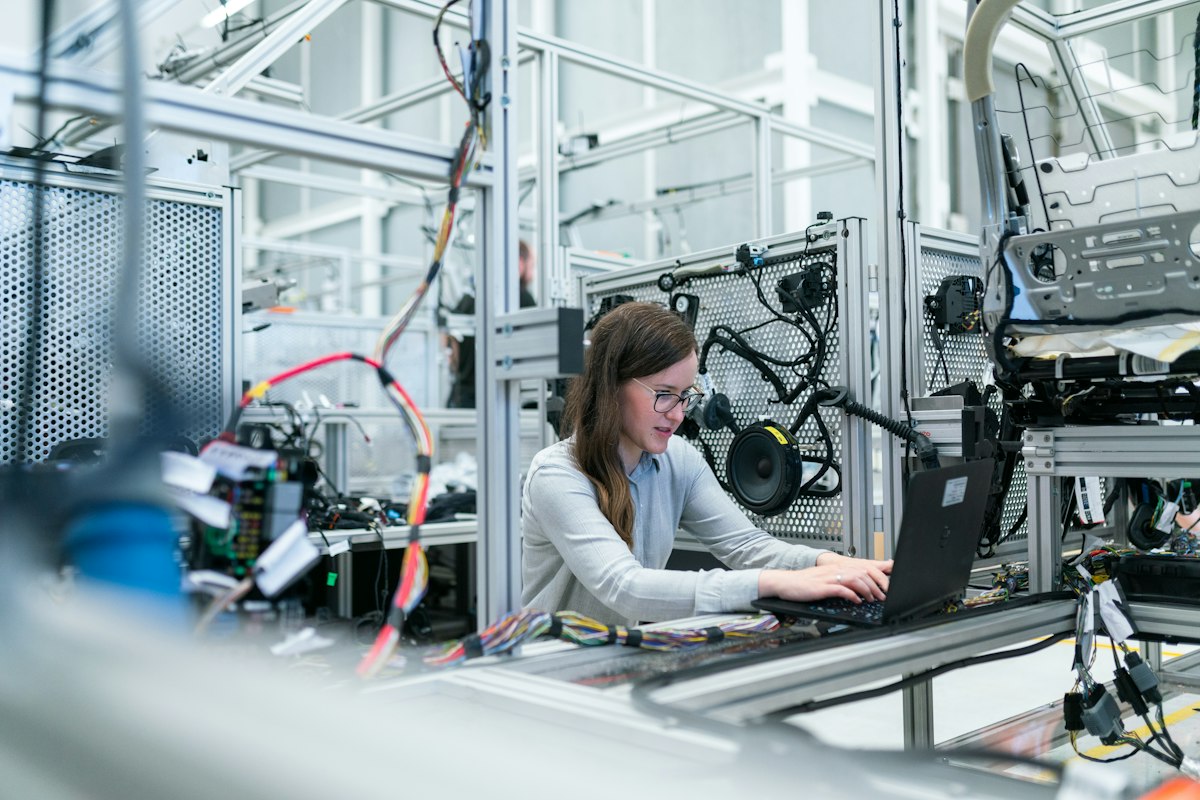
The factory runs on orders. When the orders slow, everything else slows with them — just more quietly.
27 October 2025
3 min read-- reading now
The factory runs on orders. When the orders slow, the factory doesn't stop immediately. It runs down, the way a clock does when the winding hasn't happened on time.
The first sign is usually the overtime. The overtime that was regular, that had become part of the monthly calculation, disappears. This is not announced as a problem. It is presented as a normalisation. Production targets have been adjusted. Schedules are being reviewed. The language is administrative but the effect is personal. The person who was making RM400 extra a month is no longer making RM400 extra a month.
Then the shifts. Full shifts become shorter ones for certain lines. Certain lines go quiet for a week, then resume, then go quiet again. The workers on those lines learn to read the floor differently. A quiet week used to mean a holiday. Now it means something else.
The background to all of this is something the workers on the floor don't always have full visibility into. The word tariff has appeared in enough conversations and enough phone screens that most people know it means something has changed about where Malaysian goods go. The American market has reconfigured itself around what it buys and from whom. The downstream effect arrives at the factory gate in the form of purchase orders that are smaller, delayed, or in some cases not renewed.
The management speaks carefully. They use words like challenging environment and strategic review. What the workers on the floor understand from this is that the certainty they had last year is not the certainty they have now.
The irony is that Malaysia, on many measures, has navigated the tariff disruption better than its neighbours. The electronics sector has absorbed some of the redirected manufacturing. The investment numbers have been announced with suitable pride. But investment announcements and factory floor realities exist in different time zones. The investment that is coming has not yet become the job that is paying for this month's groceries.
What fills the gap is savings, first. Then the usual Malaysian network of family. The loan from a sibling. The month where the parents contribute to the rent. The postponement of the car payment. These mechanisms work because Malaysian families have built them over generations of managing uncertainty. They are effective. They are also exhausting.
The order will come, or something like it will come. That is the reasonable expectation, and it is usually correct. But the months between then and now are months that people are living through, not waiting through.
Kilang berjalan atas pesanan. Apabila pesanan melambat, kilang tidak berhenti serta-merta. Ia merosot perlahan-lahan, seperti jam yang tidak digulung pada masanya.
Tanda pertama biasanya adalah lebih masa. Lebih masa yang biasa, yang telah menjadi sebahagian dari pengiraan bulanan, hilang. Ini tidak diumumkan sebagai masalah. Ia dikemukakan sebagai normalisasi. Sasaran pengeluaran telah diselaraskan. Jadual sedang dikaji semula. Bahasanya adalah pentadbiran tetapi kesannya adalah peribadi. Orang yang dahulunya membuat RM400 lebih sebulan kini tidak lagi berbuat demikian.
Kemudian syif. Syif penuh menjadi lebih pendek untuk barisan tertentu. Barisan tertentu menjadi sunyi selama seminggu, kemudian disambung, kemudian sunyi semula. Pekerja di barisan tersebut belajar membaca lantai kilang secara berbeza. Minggu yang sunyi dulu bermakna cuti. Kini ia bermakna sesuatu yang lain.
Latar belakang semua ini adalah sesuatu yang pekerja di lantai kilang tidak selalu mempunyai gambaran penuh. Perkataan tarif telah muncul dalam cukup banyak perbualan dan skrin telefon sehingga kebanyakan orang tahu ia bermakna sesuatu telah berubah tentang ke mana barangan Malaysia pergi. Pasaran Amerika telah menyusun semula dirinya sekitar apa yang dibelinya dan dari siapa. Kesan hiliran dari penyusunan semula itu tiba di pintu kilang dalam bentuk pesanan pembelian yang lebih kecil, tertunda, atau dalam sesetengah kes, tidak diperbaharui.
Pengurusan bercakap dengan berhati-hati. Mereka menggunakan perkataan seperti persekitaran yang mencabar dan kajian strategik. Apa yang pekerja di lantai kilang faham daripada ini adalah bahawa kepastian yang mereka ada tahun lalu bukan kepastian yang mereka ada sekarang.
Ironinya ialah Malaysia, pada banyak ukuran, telah mengemudi gangguan tarif lebih baik daripada jirannya. Sektor elektronik telah menyerap sebahagian dari pembuatan yang dialihkan. Angka pelaburan telah diumumkan dengan kebanggaan yang sesuai. Tetapi pengumuman pelaburan dan realiti lantai kilang wujud dalam zon masa yang berbeza.
Apa yang mengisi jurang itu adalah simpanan, dahulu. Kemudian rangkaian keluarga Malaysia yang biasa. Pinjaman dari adik-beradik. Bulan di mana ibu bapa menyumbang kepada sewa. Penangguhan bayaran kereta. Mekanisme ini berkesan kerana keluarga Malaysia telah membinanya selama generasi dalam menguruskan ketidakpastian.
Pesanan akan datang, atau sesuatu yang sepertinya akan datang. Itu adalah jangkaan yang munasabah, dan biasanya betul. Tetapi bulan-bulan antara kini dan masa itu adalah bulan-bulan yang orang sedang jalani, bukan tunggu.