It is 1:17 in the morning and the mamak at the end of Jalan Telawi is operating at full capacity.
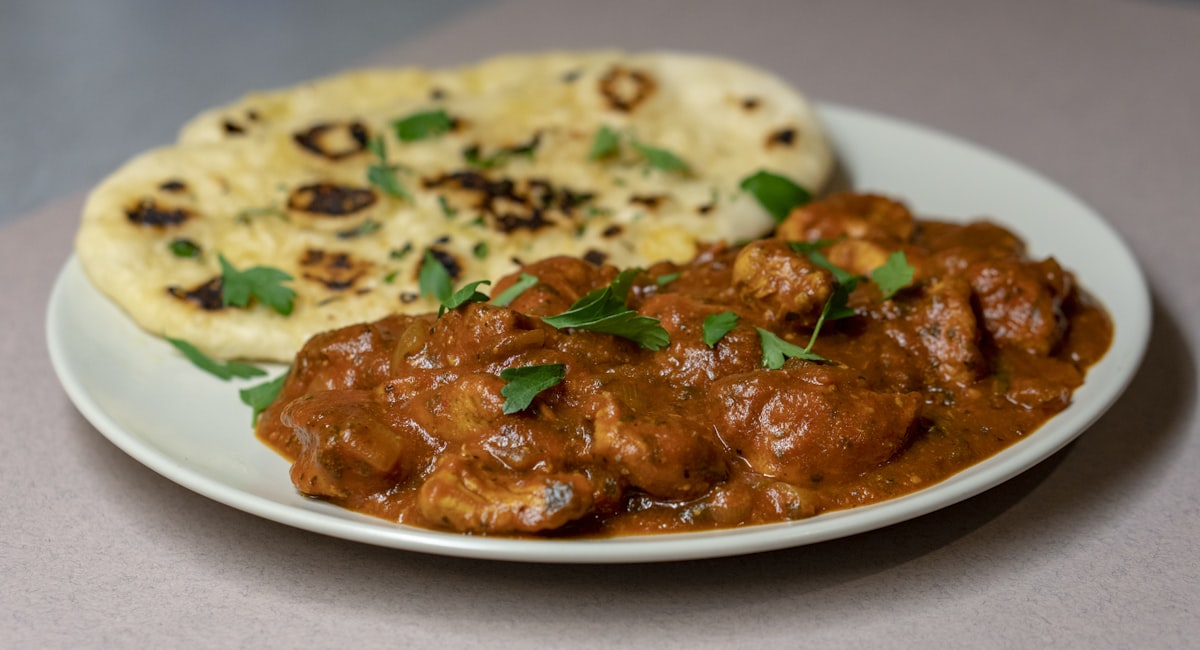
This is not unusual. It has been operating at near-full capacity since roughly 7pm and will continue until sometime after sunrise, when the breakfast crowd begins to thin and the plastic chairs are finally stacked. A football match plays on three screens simultaneously. Roti canai arrives at tables without being ordered. Teh tarik moves in long amber arcs between cups.
The customers are: a family with three children under ten, two couples on what appear to be dates, a group of men in their fifties who have been arguing about football for forty minutes, several solo diners reading phones, and a table of office workers still in their lanyards, decompressing from something. They are of at least four ethnicities. They are eating the same things.
A national institution by accident
The mamak stall, operated almost universally by Tamil Muslim proprietors, serving a hybrid menu of South Indian, Malay, and Chinese-influenced dishes, was not designed as a national institution. It became one through the logic of economic necessity and geographical convenience. Open late, open early, priced for everyone, located everywhere: it filled a gap that formal restaurants and home kitchens could not.
What it produced, incidentally, was one of the few genuinely integrated spaces in Malaysian daily life. The mamak does not ask for your race or religion. It asks whether you want your teh tarik less sweet.
What the mamak holds
Sociologists have occasionally written about third places, spaces that are neither home nor work, where communities form and social bonds are maintained. Malaysia, a country whose urban planning has often defaulted to the car and the mall, has fewer of these than it should. The mamak is one of the most important it has.
"When I came back from studying overseas," a Kuala Lumpur architect told me, "the first thing I did was go to my old mamak. Not because I missed the food. I missed the feeling of being somewhere that was everybody's."
That feeling, of shared, uncurated, unglamorous public space, is not something that can be designed or branded into existence. It accumulates over decades of 3am teh tariks and disputed football results and children falling asleep in plastic chairs.
The mamak endures because it serves a need that Malaysia has not yet found another way to meet.
Jam 1:17 pagi dan mamak di hujung Jalan Telawi sedang beroperasi pada kapasiti penuh.
Ini bukan sesuatu yang luar biasa. Ia telah beroperasi hampir penuh sejak lebih kurang pukul 7 malam dan akan terus berbuat demikian hingga selepas matahari terbit, apabila orang ramai sarapan mula berkurangan dan kerusi plastik akhirnya ditindan. Perlawanan bola sepak ditayangkan secara serentak di tiga skrin. Roti canai tiba di meja tanpa perlu dipesan. Teh tarik bergerak dalam arka jingga panjang antara cawan.
Para pelanggannya: sebuah keluarga dengan tiga anak di bawah sepuluh tahun, dua pasangan yang nampak seperti sedang bercinta, sekumpulan lelaki berusia lima puluhan yang telah berhujah tentang bola sepak selama empat puluh minit, beberapa pengunjung solo yang membaca telefon, dan satu meja pekerja pejabat yang masih memakai lanyard, melepaskan tekanan daripada sesuatu. Mereka terdiri daripada sekurang-kurangnya empat etnik. Mereka memakan perkara yang sama.
## Institusi kebangsaan secara kebetulan
Gerai mamak, yang dikendalikan hampir keseluruhannya oleh pemilik Muslim Tamil, menghidangkan menu hibrid masakan India Selatan, Melayu, dan berintikan pengaruh Cina, tidak direka sebagai institusi kebangsaan. Ia menjadi begitu melalui logik keperluan ekonomi dan kemudahan geografi. Buka lewat, buka awal, harga untuk semua orang, terletak di mana-mana: ia mengisi jurang yang tidak dapat diisi oleh restoran formal dan dapur rumah.
Apa yang terhasil, secara kebetulan, ialah salah satu daripada sedikit ruang benar-benar bersepadu dalam kehidupan harian Malaysia. Mamak tidak menanyakan kaum atau agama anda. Ia menanyakan sama ada anda mahu teh tarik kurang manis.
## Apa yang mamak pegang
Ahli sosiologi kadang-kadang menulis tentang tempat ketiga, ruang yang bukan rumah mahupun tempat kerja, di mana komuniti terbentuk dan ikatan sosial dikekalkan. Malaysia, sebuah negara yang perancangan bandarnya sering mengutamakan kereta dan mall, mempunyai lebih sedikit ruang seperti ini daripada yang sepatutnya. Mamak adalah salah satu yang paling penting yang dimilikinya.
"Bila saya balik dari belajar di luar negara," kata seorang arkitek Kuala Lumpur kepada saya, "perkara pertama yang saya lakukan ialah pergi ke mamak lama saya. Bukan sebab saya rindu makanannya. Saya rindu perasaan berada di suatu tempat yang milik semua orang."
Perasaan itu, tentang ruang awam yang dikongsi, tidak diurus, tidak bergaya, bukan sesuatu yang boleh direka atau dijenama wujud. Ia terkumpul selama beberapa dekad teh tarik pukul 3 pagi dan keputusan bola sepak yang dipertikaikan serta anak-anak yang tertidur di kerusi plastik.
Mamak kekal kerana ia memenuhi keperluan yang belum ditemui cara lain oleh Malaysia.