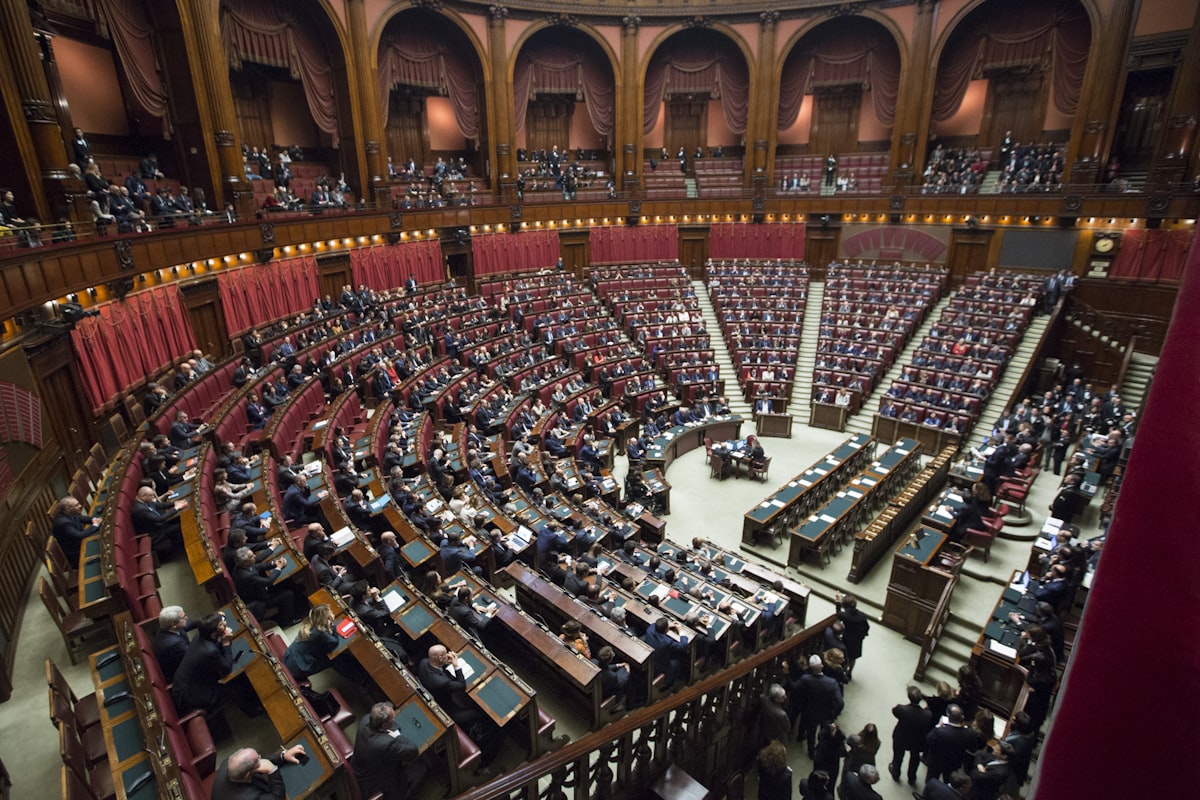
The statement released is careful, balanced, specific in its commitments and vague in its implications. This is diplomacy. This is also something that has been building.
7 April 2026
3 min read-- reading now
The photographs show the foreign minister across the table from counterparts who would not have sat in the same room two years ago. The statement released afterward is careful, balanced, specific in its commitments and vague in its implications. This is diplomacy. This is also, for Malaysia, something that has been building for longer than most people have been paying attention.
Malaysia has spent the last eighteen months navigating a world that has become, with some speed, less interested in the arrangements that governed it for the previous thirty years. The American tariff architecture has disrupted the trade patterns that Malaysia built its export economy on. The China relationship is close enough to be valuable and close enough to be a liability, depending on who is watching. The position between the two largest economies in the world is not a comfortable position. It is also not one that Malaysia has been given the option of vacating.
What the current moment requires is a specific kind of diplomatic agility that Malaysia, without it necessarily being publicised as such, has historically been reasonable at. The non-aligned tradition. The quiet relationship maintenance. The hosting of conversations that would not happen on other soil. These are not glamorous instruments. They do not make the front pages the way military alliances do. They work in a register that is slower and less legible and sometimes more durable.
The trade question is the one that comes home most directly. The tariffs are not an abstraction for the electronics factories in Penang or the rubber glove manufacturers in Selangor. They are purchase order volumes and overtime rosters and the calculation of whether the investment that was supposed to come still makes sense under the new numbers. The foreign policy room and the factory floor are connected by this thread, and the connection is not always visible from either end.
What ordinary Malaysians tend to feel in this moment is something that is difficult to describe with precision. It is not quite confidence and not quite anxiety. It is the particular alertness of a small-medium country that has learned, over generations, that the arrangements it depends on are made by others, and that what Malaysia can control is the quality of its relationships within those arrangements.
The photographs show the foreign minister in the room. Malaysia is in the room. What happens in the room matters. Whether it matters enough is the question that does not have an answer yet.
Gambar-gambar menunjukkan menteri luar di seberang meja dari rakan-rakan sejawatan yang tidak akan duduk di bilik yang sama dua tahun lalu. Kenyataan yang dikeluarkan selepas itu adalah berhati-hati, seimbang, spesifik dalam komitmennya dan kabur dalam implikasinya. Ini adalah diplomasi. Ini juga, bagi Malaysia, sesuatu yang telah dibina lebih lama daripada kebanyakan orang memberi perhatian.
Malaysia telah menghabiskan lapan belas bulan terakhir mengemudi dunia yang telah menjadi, dengan agak cepat, kurang berminat dengan peraturan yang mengawalnya selama tiga puluh tahun sebelumnya. Seni bina tarif Amerika telah mengganggu corak perdagangan yang Malaysia bina ekonomi eksportnya. Hubungan China cukup dekat untuk bernilai dan cukup dekat untuk menjadi liabiliti, bergantung kepada siapa yang memerhatikan. Kedudukan antara dua ekonomi terbesar di dunia bukan kedudukan yang selesa. Ia juga bukan satu yang Malaysia diberi pilihan untuk meninggalkan.
Apa yang momen semasa memerlukan adalah ketangkasan diplomatik jenis tertentu yang Malaysia, tanpa semestinya dipublikasikan sedemikian, secara sejarahnya cukup baik dalam melakukannya. Tradisi tidak berpihak. Penyelenggaraan hubungan yang senyap. Penganjuran perbualan yang tidak akan berlaku di tanah lain. Ini bukan instrumen yang glamor. Mereka tidak membuat muka surat hadapan seperti perikatan tentera. Mereka berkesan dalam daftar yang lebih perlahan, kurang ketara, dan kadang-kadang lebih tahan lama.
Soal perdagangan adalah yang paling langsung sampai ke rumah. Tarif bukan abstraksi bagi kilang-kilang elektronik di Pulau Pinang atau pengeluar sarung tangan getah di Selangor. Mereka adalah volum pesanan pembelian dan jadual lebih masa dan pengiraan sama ada pelaburan yang sepatutnya datang masih masuk akal di bawah nombor baru. Bilik dasar luar dan lantai kilang disambungkan oleh benang ini, dan hubungan itu tidak selalu kelihatan dari mana-mana hujung.
Apa yang rakyat Malaysia biasa rasai pada momen ini adalah sesuatu yang sukar dihuraikan dengan tepat. Ia bukan betul-betul keyakinan dan bukan betul-betul kebimbangan. Ia adalah kewaspadaan tertentu sebuah negara sederhana kecil yang telah belajar, sepanjang generasi, bahawa peraturan yang diandalkannya dibuat oleh orang lain, dan bahawa apa yang Malaysia boleh kawal adalah kualiti hubungannya dalam peraturan-peraturan tersebut.
Gambar-gambar menunjukkan menteri luar dalam bilik. Malaysia berada dalam bilik. Apa yang berlaku dalam bilik itu penting. Sama ada ia cukup penting adalah soalan yang belum mempunyai jawapan.