It's still there, but for how much longer is a question the uncle has stopped answering.
You know the one. There's usually one left on any given residential street, the holdout, the last original shop in a row that's gradually become laundry services and bubble tea and the occasional beauty salon. The paint has faded to a colour that doesn't have a name anymore. The handwritten price tags in the window are sun-bleached at the edges. Inside, the fluorescent light hums.
The uncle, and it is almost always an uncle, has been there longer than most of the buildings nearby. He knows which families have lived in which houses, which ones have moved, which ones send the grandchildren for school things every morning. He knows what day the pensioner across the road collects her pension because she comes in the same afternoon without fail.
This is not customer relationship management. It's just what happens when a person spends thirty years in the same room, paying attention.
The credit system at these shops was never formal. A notebook, sometimes not even that. Just memory. You were short by three ringgit on the milk and eggs, you settled it Thursday. Nobody signed anything. The relationship was the contract. When that trust broke down, which it occasionally did, the shop absorbed it and moved on, because the alternative was to stop extending credit entirely, and that would change what the shop was.
By most commercial logic, this system is irrational. You are extending unsecured loans to people based on whether you know their face. Many accounts went unpaid, especially during hard months, especially after someone moved away suddenly. The uncle knows this. He isn't naive about it. He just seems to have made a quiet calculation that the losses were part of the cost of being the shop that people could rely on.
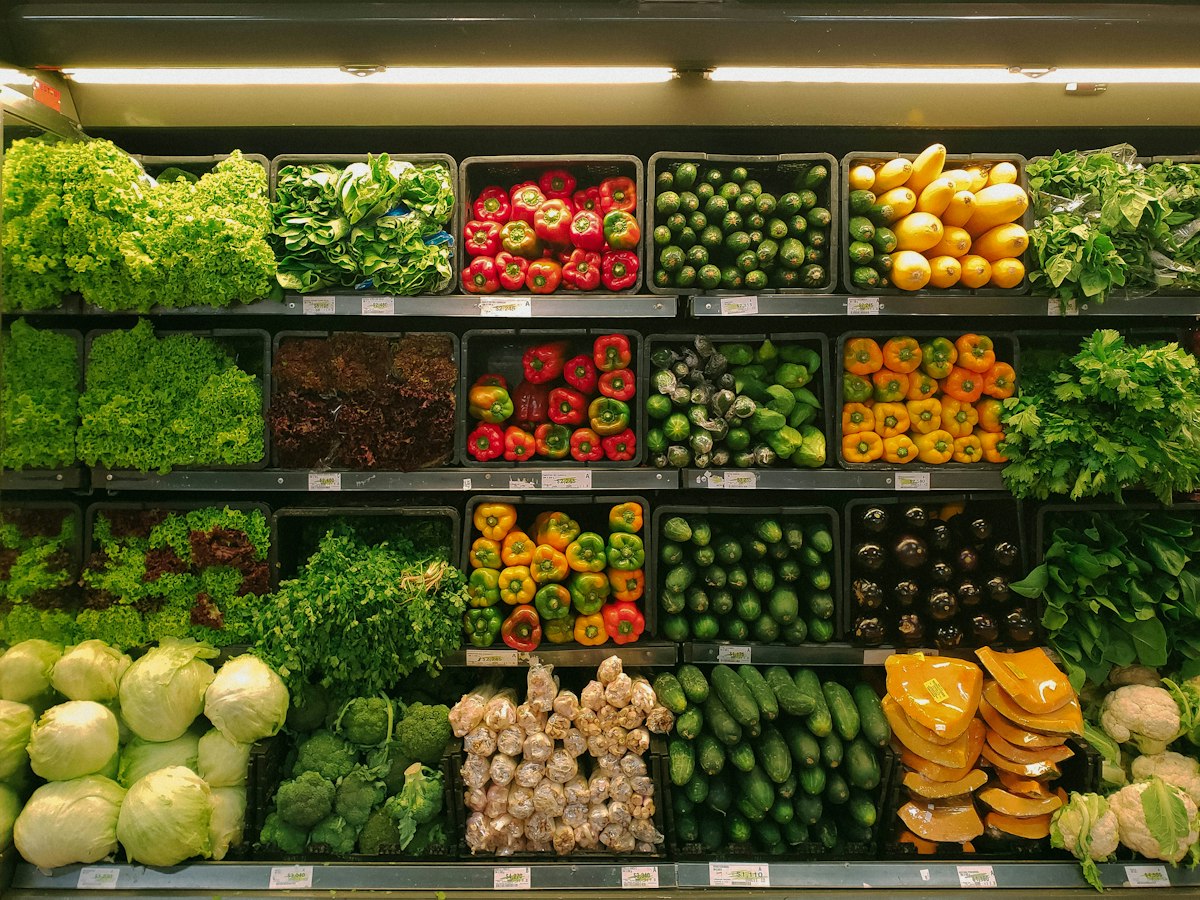
What a supermarket gives you that the kedai runcit cannot is scale and reliability. If they carry something, they have a lot of it. The stock is consistent. The price is marked. The receipt is printed. It's efficient in all the ways that efficiency means.
What it cannot give you is what the uncle gives you, which is harder to name. Call it proximity to being known. The transaction happens in the context of a relationship, even a minor one. You are not a customer number. You are the person who takes the mild curry powder, not the hot, and whose daughter is doing her UPSR this year.
How many of these shops remain is hard to track because they don't register as a category worth tracking. They're just there, or they're not. Each one that closes is replaced by something that is, by most objective measures, an improvement. Better stocked, better lit, open twenty-four hours.
The street changes. The new shops open. The uncle's shutter comes down at seven-thirty sharp, which he's done every night for three decades, and the street adjusts itself around his hours without complaint.
Until one night the shutter doesn't go up in the morning. And that's a different thing.
Ia masih ada, tetapi sampai bila lagi adalah soalan yang pak cik itu sudah berhenti menjawabnya.
Anda pasti tahu yang mana satu. Biasanya ada satu lagi di mana-mana jalan perumahan, yang terakhir bertahan, kedai asal terakhir dalam sebaris kedai yang perlahan-lahan telah menjadi kedai dobi dan teh buih dan sesekali salun kecantikan. Cat telah pudar kepada warna yang tidak lagi mempunyai nama. Tag harga bertulis tangan di tingkap sudah pucat ditepi terik matahari. Di dalamnya, lampu pendarfluor berdengung.
Pak cik itu, dan ia hampir selalu seorang pak cik, telah berada di sana lebih lama dari kebanyakan bangunan berdekatan. Dia tahu keluarga mana yang tinggal di rumah mana, yang mana sudah berpindah, yang mana yang menghantar cucu untuk membeli keperluan sekolah setiap pagi. Dia tahu hari apa warga emas di seberang jalan mengambil pencennya kerana dia datang setiap petang yang sama tanpa gagal.
Ini bukan pengurusan hubungan pelanggan. Ini hanya apa yang berlaku apabila seseorang menghabiskan tiga puluh tahun dalam bilik yang sama, memberi perhatian.
Sistem kredit di kedai-kedai ini tidak pernah formal. Sebuah buku nota, kadang-kadang bukan itu pun. Hanya ingatan. Anda kurang tiga ringgit untuk susu dan telur, anda jelaskan hari Khamis. Tiada siapa yang menandatangani apa-apa. Hubunganlah yang menjadi kontrak. Apabila kepercayaan itu rosak, yang kadang-kadang berlaku, kedai menyerapnya dan meneruskan, kerana alternatifnya ialah berhenti memberi kredit sama sekali, dan itu akan mengubah apa yang kedai itu ada.
Mengikut kebanyakan logik komersial, sistem ini tidak rasional. Anda memberikan pinjaman tanpa cagaran kepada orang berdasarkan sama ada anda kenal muka mereka. Banyak akaun tidak berbayar, terutama semasa bulan-bulan sukar, terutama selepas seseorang berpindah secara tiba-tiba. Pak cik itu tahu. Dia tidak naif tentang itu. Dia nampaknya hanya membuat kiraan senyap bahawa kerugian itu adalah sebahagian daripada kos menjadi kedai yang orang boleh bergantung padanya.
Apa yang supermarket beri kepada anda yang kedai runcit tidak boleh ialah skala dan kebolehpercayaan. Kalau ada sesuatu, ada banyaknya. Stok adalah konsisten. Harga tertera. Resit dicetak. Ia cekap dalam semua cara yang kecekapan bermaksud.
Apa yang tidak dapat diberi ialah apa yang pak cik beri, yang lebih sukar dinamakan. Panggillah ia kedekatan kepada perasaan dikenali. Transaksi berlaku dalam konteks sebuah hubungan, walaupun yang kecil. Anda bukan nombor pelanggan. Anda adalah orang yang ambil serbuk kari ringan, bukan yang pedas, dan anak perempuannya sedang UPSR tahun ini.
Berapa banyak kedai-kedai ini masih ada sukar untuk dijejaki kerana ia tidak berdaftar sebagai kategori yang wajar dijejaki. Mereka ada, atau tidak ada. Setiap satu yang tutup digantikan oleh sesuatu yang, mengikut kebanyakan ukuran objektif, adalah satu penambahbaikan. Lebih banyak stok, lebih terang, buka dua puluh empat jam.
Jalan berubah. Kedai baru dibuka. Pensel pak cik turun tepat pukul tujuh setengah malam, seperti yang dilakukannya setiap malam selama tiga dekad, dan jalan menyesuaikan diri di sekitar waktu kerjanya tanpa rungutan.
Hingga suatu malam pensel itu tidak naik semula pada waktu pagi. Dan itu adalah perkara yang berbeza.