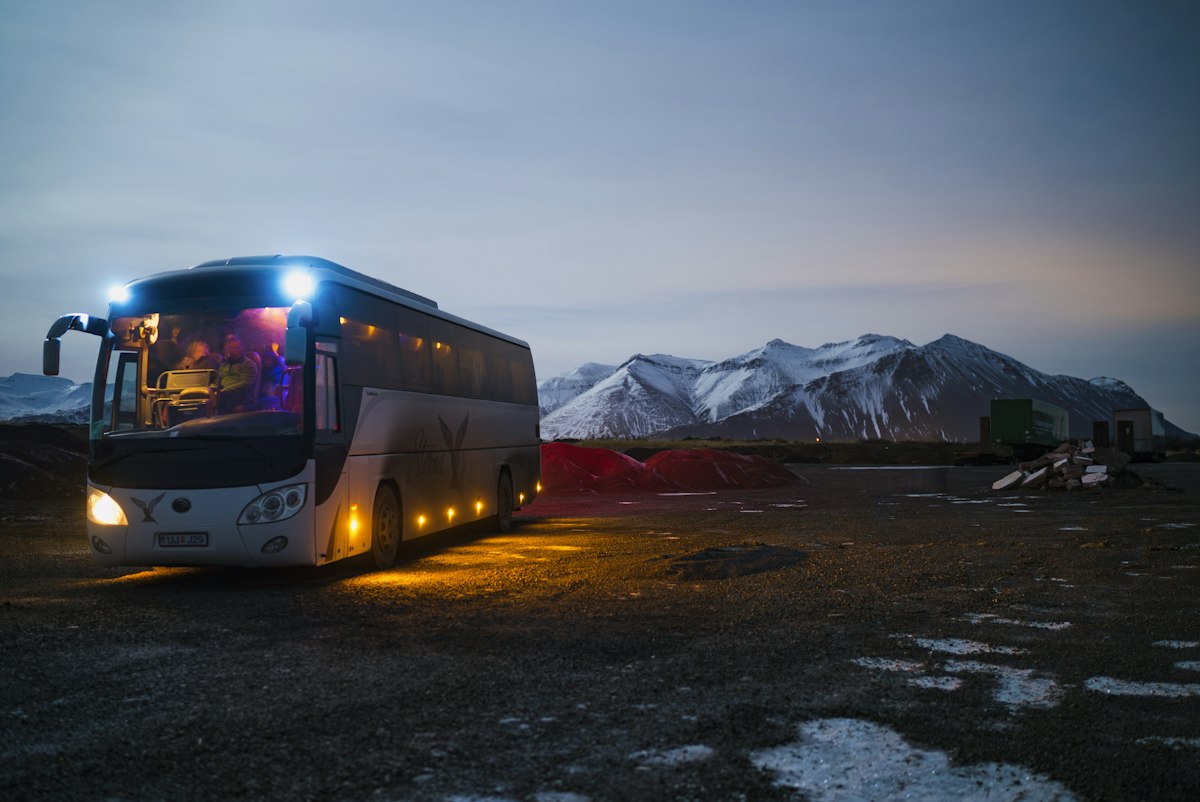
The evening is planned around it. Not around where to go, but around when the last bus leaves.
For the portion of Malaysians who do not own a car and cannot afford Grab every day, public transport is not a preference. It is the structure that the rest of the day is built around. The job has to be reachable by bus or rail. The dinner has to end in time to make the last service. The evening's geography is not defined by what's interesting but by what's accessible without a car.
This is a significant minority. In surveys about transport habits, the proportion of Malaysians who rely on public transport as their primary means of getting around varies by area, but in less served suburbs and satellite towns, the dependency is real and the system that serves it is incomplete.
A person who lives forty minutes from the nearest LRT station by bus, and takes the LRT for another thirty minutes to the workplace, has already spent over an hour commuting before accounting for the walk from the station or the wait time. The last bus back to the suburb runs at 9:30pm. This shapes everything. A dinner invitation that might run to 10pm becomes a calculation. An evening class that ends at 9pm becomes a sprint to the station.
The anxiety of the last service is a specific feeling that belongs to people who depend on timetables. Not the mild inconvenience of a traffic delay that someone with a car can navigate around, but the harder-edged worry about being genuinely stranded, or about missing the last bus and facing a Grab ride that costs more than the dinner did. When people say the city is accessible, they usually mean accessible to someone with a car. The experience of the city without one is different in texture and in stress.
What the bus does provide, when it runs, is the city itself. A window onto the density and variety of it. The school in one area, the market in another, the construction site that keeps growing, the shophouse row that hasn't changed since anyone can remember. The bus stops are a cross-section of who lives along the route, where they are going, what they are carrying.
There is a sociality to bus travel that cars don't produce. You are in the same container as strangers, going roughly the same direction, sharing a timetable. The last bus is particularly its own thing, carrying the people who stayed until they had to leave, the ones who had late shifts or evening classes or who waited out the rain. They tend to be tired but not unfriendly. The social pressure of the morning rush is gone.
When the network is good enough, public transport is genuinely adequate. When it isn't, the gap falls on the people who can least afford to fill it. The ones for whom a car is not a choice between driving and not driving, but a choice between something they cannot afford and a daily life defined by what's on the route.
The last bus runs at 9:30. An entire evening has been shaped around that fact, by someone who had no say in setting the timetable.
Malam itu dirancang di sekelilingnya. Bukan di sekeliling ke mana hendak pergi, tetapi di sekeliling bila bas terakhir bertolak.
Bagi sebahagian rakyat Malaysia yang tidak memiliki kereta dan tidak mampu menaiki Grab setiap hari, pengangkutan awam bukan satu pilihan. Ia adalah struktur yang seluruh hari dibina di sekelilingnya. Kerja perlu boleh dicapai dengan bas atau rel. Makan malam perlu berakhir dalam masa untuk sempat mendapat perkhidmatan terakhir. Geografi malam tidak ditentukan oleh apa yang menarik tetapi oleh apa yang boleh diakses tanpa kereta.
Ini adalah minoriti yang signifikan. Dalam tinjauan tentang tabiat pengangkutan, bahagian rakyat Malaysia yang bergantung kepada pengangkutan awam sebagai cara utama mereka bergerak berbeza mengikut kawasan, tetapi di kawasan pinggiran dan bandar satelit yang kurang dilayani, pergantungan itu nyata dan sistem yang melayaninya tidak lengkap.
Seseorang yang tinggal empat puluh minit dari stesen LRT terdekat dengan bas, dan menaiki LRT selama tiga puluh minit lagi ke tempat kerja, telah menghabiskan lebih sejam berulang-alik sebelum mengambil kira jarak berjalan dari stesen atau masa menunggu. Bas terakhir balik ke kawasan pinggiran berlepas pukul 9:30 malam. Ini membentuk segalanya. Jemputan makan malam yang mungkin berlarutan sehingga pukul 10 malam menjadi satu pengiraan. Kelas malam yang berakhir pukul 9 malam menjadi pecut ke stesen.
Kebimbangan tentang perkhidmatan terakhir adalah perasaan khusus yang dimiliki oleh orang yang bergantung pada jadual. Bukan ketidakselesaan ringan kelewatan lalu lintas yang boleh dielakkan oleh seseorang yang mempunyai kereta, tetapi kebimbangan yang lebih keras tentang benar-benar terkandas, atau tentang terlepas bas terakhir dan menghadapi perjalanan Grab yang berharga lebih daripada makan malam itu. Apabila orang berkata bandar itu boleh diakses, mereka biasanya bermaksud boleh diakses oleh seseorang yang mempunyai kereta. Pengalaman bandar tanpa kereta berbeza dari segi tekstur dan tekanan.
Apa yang bas menyediakan, apabila ia beroperasi, adalah bandar itu sendiri. Sebuah tingkap ke kepadatan dan kepelbagaiannya. Sekolah di satu kawasan, pasar di kawasan lain, tapak pembinaan yang terus berkembang, barisan rumah kedai yang tidak berubah sejak sesiapa ingat. Perhentian-perhentian bas adalah keratan rentas siapa yang tinggal di sepanjang laluan, ke mana mereka pergi, apa yang mereka bawa.
Ada kehidupan sosial dalam perjalanan bas yang kereta tidak hasilkan. Anda berada dalam bekas yang sama dengan orang asing, menuju lebih kurang ke arah yang sama, berkongsi jadual. Bas terakhir adalah sesuatu yang tersendiri, membawa orang yang kekal sehingga terpaksa pergi, mereka yang ada syif lewat atau kelas malam atau yang menunggu hujan reda. Mereka cenderung penat tetapi tidak tidak ramah. Tekanan sosial waktu pagi sudah tiada.
Apabila rangkaian itu cukup baik, pengangkutan awam adalah betul-betul mencukupi. Apabila tidak, jurang itu jatuh pada orang yang paling tidak mampu mengisinya. Mereka yang kereta bagi mereka bukan pilihan antara memandu dan tidak memandu, tetapi pilihan antara sesuatu yang mereka tidak mampu dan kehidupan harian yang ditentukan oleh apa yang ada di laluan.
Bas terakhir berlepas pukul 9:30. Seluruh malam telah dibentuk oleh fakta itu, oleh seseorang yang tidak ada suara dalam menetapkan jadual.