Malaysia's retail market is still growing, yet many neighbourhood kedai runcit are disappearing. Thin margins, rising costs and chain-store scale help explain this contradiction.
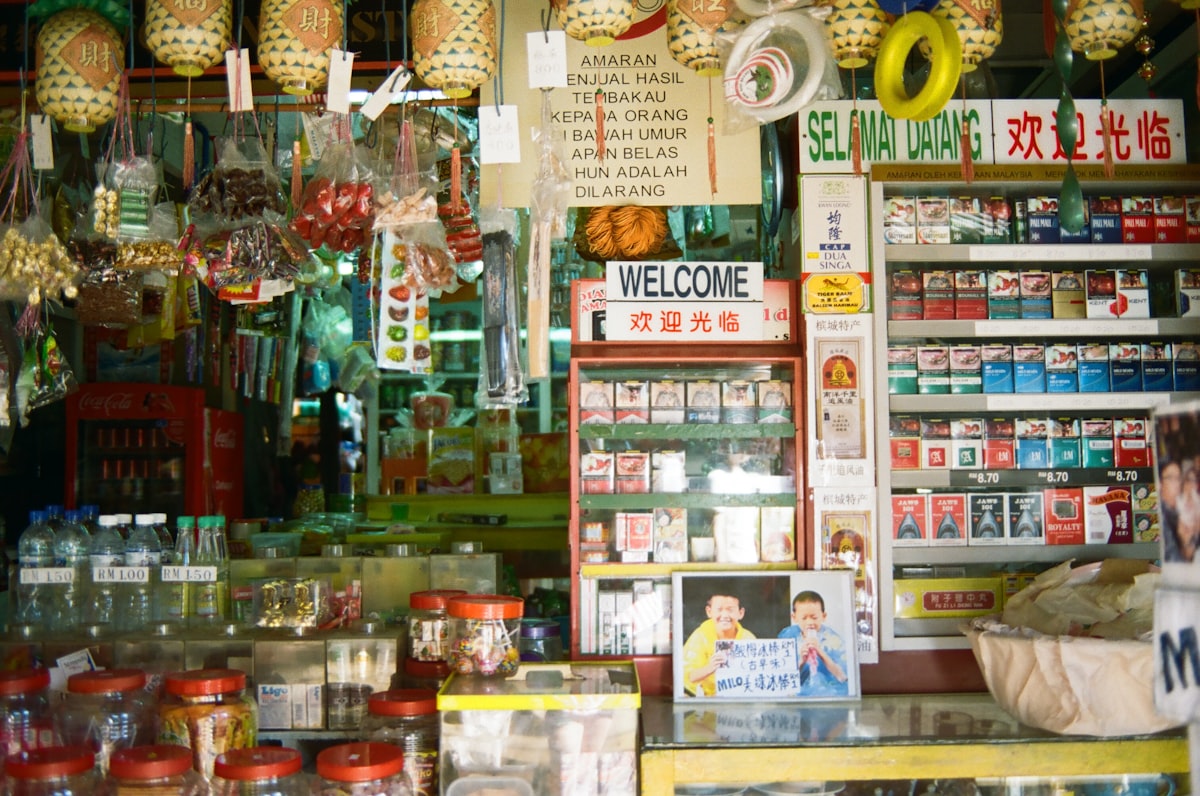
The grille came down one Tuesday in February. A "For Rent" sign went up by March. The shop where you bought Milo and topped up your Touch 'n Go has been empty since.
This is not a story about nostalgia. It is a story about margins.
The kedai runcit is not disappearing because Malaysians have stopped buying rice, eggs, soap or coffee near home. The country's retail market is still growing. The problem is that growth does not reach every retailer in the same way.
A chain with thousands of outlets can buy in volume, move stock through its own warehouses, spread the cost of technology across a network and learn from sales data at every branch. A family shop must make many of the same decisions at the scale of one premises, with much less cash, storage and time.
Not every kedai runcit faces the same outcome. Location, product mix, whether the owner works the counter, operating discipline and customer relationships all matter. But the structure is uneven.
Malaysia's Retail Market Is Growing, but Not Equally
Malaysia's wholesale and retail trade recorded RM163.7 billion in sales in December 2025, according to the Department of Statistics Malaysia. That was 7.6% higher than a year earlier. Retail trade sales rose 6.9%, while the retail volume index rose 4.9%.
Across 2025, the country's wholesale and retail trade subsector grew by 4.9%.
Those numbers matter because they change the question. The story is not that Malaysians have stopped shopping. It is about who is best placed to capture that spending.
Sector data does not separate the fortunes of every independent shop from every chain. Overall growth can exist alongside a neighbourhood shop losing customers or closing. There is no contradiction between the two.
The Margin Problem
Three terms tend to become blurred when people talk about small retail.
Markup is the amount added to the cost of an item, expressed as a percentage of that cost. Gross margin is the share of sales revenue left after the cost of goods sold. Net margin is what remains after wages, rent, utilities, systems, stock losses, administration, tax and the other costs of operating.
A markup that looks reasonable on one item does not guarantee a healthy net margin for the shop. Slow stock traps cash on the shelf. Some stock is damaged or expires. Smaller orders usually leave less room to negotiate. An owner may also take money for household use without recording their own labour as a cost.
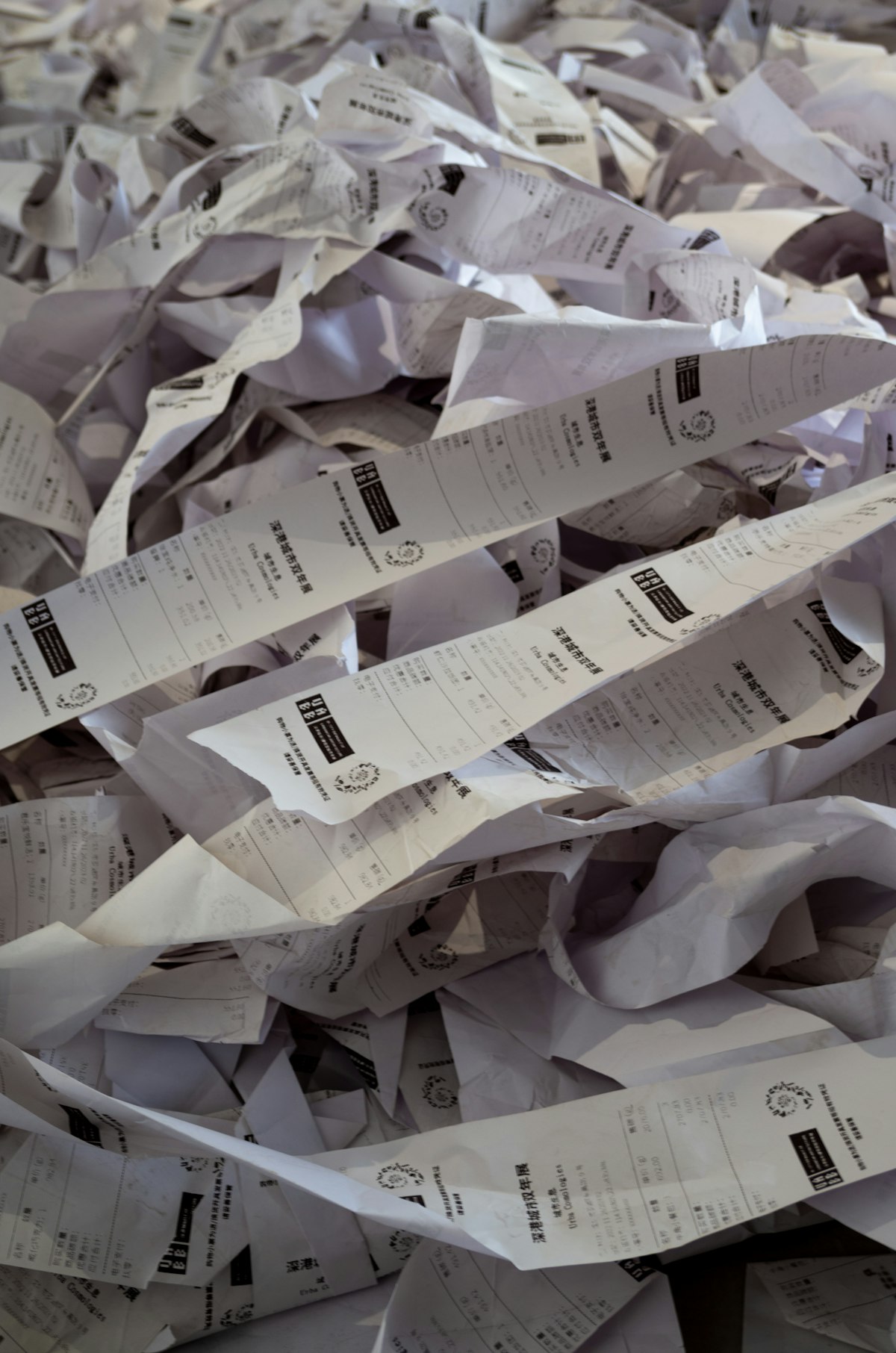
That is why "sales are still coming in" is not the same as knowing the shop is profitable. The receipt box under the counter can only tell you what happened if the numbers are recorded and reviewed.
What 3,000 Outlets Can Do That One Shop Cannot
99 Speedmart is useful here as an illustration of scale economics, not as the villain of the story.
The company opened its 3,000th outlet in November 2025. Its official financial highlights report 2025 revenue of RM11.43 billion, a gross profit margin of 19.47% and a profit-after-tax margin of 5.31%.
The distance between gross margin and profit after tax shows what gets missed in casual conversations about retail prices. Even at national scale, many costs still have to be paid between an item leaving the shelf and the final profit being recorded.
Scale gives a chain legitimate advantages: central purchasing, distribution centres, more consistent replenishment, data on what sells at each location and system costs spread across thousands of outlets. It also requires considerable capital, management and execution.
An independent shop does not lose customers simply because a chain exists. Some remain strong because of location, a precise product mix, useful opening hours, an owner on the premises or service that is difficult to reproduce. But it cannot buy a national warehouse one shelf at a time.
Labour and Compliance Costs Arrive One Shop at a Time
Malaysia's RM1,700 minimum wage took effect for most employers on 1 February 2025 and became applicable to all employers from 1 August 2025.
That does not mean every worker suddenly added RM1,700 in new cost. Some were already paid at or above the new floor. Some shops are operated entirely by owners and family members. For a shop that had paid below the new minimum, the incremental wage cost is the difference between the old wage and the new one, together with the relevant employer contributions.
The cost still arrives one shop at a time. Two workers at one premises cannot be spread across 3,000 outlets. For the statutory layers above salary, see what an employee really costs a Malaysian employer.
E-Invoice requires similar precision. HASiL's current timeline placed taxpayers with annual turnover or revenue of up to RM5 million into implementation from 1 January 2026, while taxpayers below RM1 million are exempt subject to the published rules.
E-Invoice therefore does not apply universally to every small shop. For those within scope, the cost is not only software. It is also the time required to organise records, correct processes and make transactions that were once kept informally verifiable. The shift to e-Invoice is an operational change, not merely paper moved onto a screen.
Digitalisation Helps, but It Does Not Create Scale
KPDN reported that 21,076 traders registered through its ReDI retail digitalisation initiative between 2021 and 2024, exceeding the programme's target of 15,000.
Digital payments can reduce dependence on cash. An inventory system can show which products are not moving. Better records can tell an owner whether the shop is actually making money.
But accepting an e-wallet does not produce a chain's purchasing price. A point-of-sale system does not provide a distribution centre. Better data helps an owner make better decisions with the resources available. It does not erase the difference in those resources.
What Disappears When the Shop Closes
What is being lost is not just a shop.
The kedai runcit was an informal credit facility, running a tab for neighbours who were short before payday. It was a notice board, a parcel collection point and a social space. Its owner knew which family always bought a particular milk, who would settle on Friday, and which house needed to be told when a delivery arrived.
None of that appears on a profit and loss statement. It does not appear in the retail growth figures. But it has value, especially in places where transport, banking and shopping choices are more limited.
For the part of that loss which numbers do not capture, read The Sundry Shop Is Disappearing. Nobody Had a Funeral for It..
What Survival Might Look Like
There is no single formula that can save every shop. Some may survive through a sharply local product mix, neighbourhood delivery, more useful hours, additional services or better stock and cash-flow records. Shared purchasing among independent traders may improve negotiating power in some circumstances.
These are possibilities, not guarantees. Change requires capital, time and skills, which may be the things an owner has least of. Some locations no longer have enough customer volume even when the shop is well run.
What Scale Cannot Buy
The economics of the kedai runcit will not return to what they were simply because we miss it.
Large chains meet real needs. They bring consistent stock, comparable prices and reliable operations. Independent shops that survive will also need to become more precise about what they sell, whom they serve and what it truly costs.
But efficiency is not the same as memory. A system can know what you buy every week. It does not necessarily know that you will pay on Friday.
If the shop at the end of the road eventually pulls down its grille for the last time, the market may continue growing without noticing. The neighbourhood will.
Pasaran runcit Malaysia masih berkembang, tetapi banyak kedai runcit kejiranan semakin hilang. Margin tipis, kos meningkat dan kelebihan skala rangkaian besar membantu menjelaskan percanggahan ini.
Anai-anai besi turun pada Selasa bulan Februari. Papan "Untuk Disewa" dipasang pada bulan Mac. Kedai tempat anda membeli Milo dan menambah nilai Touch 'n Go sudah kosong sejak itu.
Ini bukan cerita tentang nostalgia. Ini cerita tentang margin.
Kedai runcit tidak hilang kerana rakyat Malaysia sudah berhenti membeli beras, telur, sabun atau kopi di kawasan rumah mereka. Pasaran runcit negara masih berkembang. Masalahnya ialah pertumbuhan itu tidak sampai kepada semua peruncit dengan cara yang sama.
Sebuah rangkaian dengan ribuan cawangan boleh membeli dalam jumlah besar, mengagihkan stok melalui gudang sendiri, menyebarkan kos teknologi ke seluruh rangkaian dan belajar daripada data jualan setiap cawangan. Sebuah kedai keluarga perlu membuat banyak keputusan yang sama pada skala satu premis, dengan wang tunai, ruang simpanan dan masa yang jauh lebih terhad.
Tidak semua kedai runcit akan berakhir dengan cara yang sama. Lokasi, campuran produk, sama ada pemilik sendiri menjaga kaunter, disiplin operasi dan hubungan dengan pelanggan semuanya penting. Tetapi strukturnya tidak seimbang.
Pasaran Runcit Malaysia Berkembang, Tetapi Tidak Sama Rata
Menurut Jabatan Perangkaan Malaysia, nilai jualan perdagangan borong dan runcit mencecah RM163.7 bilion pada Disember 2025, meningkat 7.6% berbanding tahun sebelumnya. Jualan perdagangan runcit meningkat 6.9%, manakala indeks volum runcit meningkat 4.9%.
Bagi keseluruhan 2025, subsektor perdagangan borong dan runcit berkembang 4.9%.
Nombor ini penting kerana ia mengubah persoalannya. Ceritanya bukan bahawa rakyat Malaysia berhenti membeli-belah. Ceritanya ialah siapa yang paling berupaya menangkap perbelanjaan itu.
Data sektor tidak memisahkan nasib setiap kedai bebas daripada setiap rangkaian. Pertumbuhan keseluruhan boleh berlaku serentak dengan sebuah kedai kejiranan kehilangan pelanggan atau menutup pintu. Kedua-duanya tidak bercanggah.
Masalah Margin
Tiga istilah sering dicampuradukkan dalam perbualan tentang perniagaan kecil.
Markup ialah jumlah yang ditambah kepada kos sesuatu barang, dinyatakan sebagai peratusan daripada kos. Margin kasar ialah bahagian hasil jualan yang tinggal selepas kos barang yang dijual ditolak. Margin bersih ialah bahagian yang tinggal selepas gaji, sewa, utiliti, sistem, kerugian stok, pentadbiran, cukai dan kos operasi lain.
Markup yang nampak munasabah pada satu barang tidak semestinya menghasilkan margin bersih yang sihat untuk seluruh kedai. Barang yang lambat terjual mengikat wang tunai. Stok rosak atau luput. Pembelian kecil biasanya memberi ruang rundingan yang lebih sempit. Seorang pemilik juga mungkin mengeluarkan wang untuk kegunaan keluarga tanpa merekodkannya sebagai kos tenaga kerja.
Sebab itu rasa bahawa "jualan masih ada" tidak sama dengan mengetahui sama ada kedai benar-benar untung. Kotak resit di bawah kaunter hanya boleh memberitahu anda apa yang berlaku jika nombor itu benar-benar direkodkan dan disemak.
Apa yang Boleh Dilakukan oleh 3,000 Cawangan
99 Speedmart berguna sebagai contoh ekonomi skala, bukan sebagai penjahat dalam cerita ini.
Syarikat itu membuka cawangan ke-3,000 pada November 2025. Menurut sorotan kewangan rasminya, hasil 2025 ialah RM11.43 bilion, margin untung kasar 19.47% dan margin keuntungan selepas cukai 5.31%.
Jurang antara margin kasar dan margin selepas cukai menunjukkan sesuatu yang mudah terlepas dalam perbualan tentang harga. Walaupun pada skala nasional, banyak kos masih perlu dibayar antara barang meninggalkan rak dan keuntungan akhir direkodkan.
Skala memberi rangkaian beberapa kelebihan yang sah: pembelian berpusat, pusat pengedaran, pengisian stok yang lebih konsisten, data tentang apa yang laris di setiap lokasi dan kos sistem yang boleh disebarkan ke ribuan cawangan. Ia juga memerlukan modal, pengurusan dan pelaksanaan yang tidak kecil.
Kedai bebas tidak kehilangan pelanggan semata-mata kerana rangkaian besar wujud. Sesetengah kedai kekal kukuh kerana lokasinya, pilihan barang yang sesuai, waktu operasi, pemilik yang berada di premis atau khidmat yang tidak dapat ditiru. Tetapi ia tidak boleh membeli gudang nasional satu rak pada satu masa.
Kos Buruh dan Pematuhan Tiba di Setiap Kedai
Gaji minimum RM1,700 mula berkuat kuasa bagi kebanyakan majikan pada 1 Februari 2025 dan terpakai kepada semua majikan mulai 1 Ogos 2025.
Itu tidak bermakna setiap pekerja tiba-tiba menambah RM1,700 dalam kos baharu. Ada pekerja yang sudah menerima gaji pada atau melebihi paras itu. Ada kedai yang dikendalikan sepenuhnya oleh pemilik dan keluarga. Bagi kedai yang membayar di bawah paras baharu, kos tambahan sebenar ialah perbezaan antara gaji lama dengan gaji baharu, bersama caruman majikan yang berkaitan.
Namun kos itu tiba satu kedai pada satu masa. Dua pekerja di satu premis tidak boleh disebarkan ke 3,000 cawangan. Untuk memahami lapisan caruman di atas gaji, rujuk kos sebenar mengambil pekerja di Malaysia.
E-Invois juga memerlukan ketepatan. Garis masa semasa HASiL meletakkan pembayar cukai dengan hasil tahunan sehingga RM5 juta pada pelaksanaan mulai 1 Januari 2026, tetapi pembayar cukai di bawah RM1 juta dikecualikan tertakluk pada peraturan yang diterbitkan.
Jadi, e-Invois tidak terpakai secara universal kepada setiap kedai kecil. Bagi yang tertakluk, kosnya bukan hanya perisian. Ia juga masa untuk menyusun rekod, membetulkan proses dan memastikan transaksi yang dahulu disimpan secara tidak formal boleh disahkan. Peralihan e-Invois adalah perubahan operasi, bukan sekadar menukar kertas kepada skrin.
Pendigitalan Membantu, Tetapi Tidak Mewujudkan Skala
KPDN melaporkan bahawa 21,076 peniaga mendaftar melalui inisiatif pendigitalan peruncitan ReDI antara 2021 dan 2024, melebihi sasaran 15,000 peniaga.
Pembayaran digital boleh mengurangkan kebergantungan pada wang tunai. Sistem stok boleh menunjukkan barang yang tidak bergerak. Rekod yang lebih baik boleh menunjukkan sama ada kedai benar-benar membuat untung.
Tetapi menerima e-dompet tidak memberikan harga pembelian sebuah rangkaian. Sistem jualan tidak menyediakan pusat pengedaran. Data yang baik membantu pemilik membuat keputusan yang lebih baik dengan sumber yang ada. Ia tidak menghapuskan perbezaan sumber itu.
Apa yang Hilang Apabila Kedai Tutup
Apa yang hilang bukan sekadar sebuah kedai.
Kedai runcit ialah kemudahan kredit tidak rasmi, memberi hutang kepada jiran yang kekurangan wang sebelum hari gaji. Ia ialah papan notis, pusat pengambilan bungkusan dan ruang sosial. Pemiliknya tahu keluarga mana yang selalu membeli susu tertentu, siapa yang akan menjelaskan hutang pada Jumaat, dan rumah mana yang perlu diberitahu apabila ada penghantaran.
Tiada satu pun daripada ini muncul dalam akaun untung rugi. Ia tidak muncul dalam angka pertumbuhan perdagangan runcit. Tetapi ia mempunyai nilai, terutama di tempat yang pilihan pengangkutan, perbankan dan membeli-belahnya lebih terhad.
Untuk sisi kehilangan yang tidak dapat diukur itu, baca Kedai Runcit Sedang Hilang. Tiada Siapa yang Mengadakan Pengebumiannya.
Apa yang Mungkin Membantu Kedai Bertahan
Tiada satu formula yang boleh menyelamatkan setiap kedai. Ada yang mungkin bertahan melalui campuran produk yang sangat setempat, penghantaran kejiranan, waktu yang lebih sesuai, perkhidmatan tambahan atau rekod stok dan aliran tunai yang lebih baik. Pembelian bersama antara peniaga bebas mungkin meningkatkan kuasa rundingan dalam keadaan tertentu.
Ini ialah kemungkinan, bukan jaminan. Perubahan memerlukan modal, masa dan kemahiran yang mungkin menjadi perkara paling kekurangan bagi pemilik. Sesetengah lokasi juga tidak lagi mempunyai jumlah pelanggan yang mencukupi, walaupun kedai itu diuruskan dengan baik.
Yang Tidak Boleh Dibeli oleh Skala
Ekonomi kedai runcit tidak akan kembali seperti dahulu hanya kerana kita merinduinya.
Rangkaian besar memenuhi keperluan sebenar. Ia membawa stok yang konsisten, harga yang mudah dibandingkan dan operasi yang boleh dipercayai. Kedai bebas yang bertahan juga perlu menjadi lebih tepat tentang apa yang dijual, kepada siapa dan pada kos sebenar berapa.
Tetapi kecekapan tidak sama dengan ingatan. Sistem boleh mengetahui apa yang anda beli setiap minggu. Ia tidak semestinya tahu bahawa anda akan membayar pada hari Jumaat.
Jika kedai di hujung jalan itu akhirnya menurunkan anai-anai besi untuk kali terakhir, pasaran mungkin terus berkembang tanpa menyedarinya. Kejiranan akan menyedarinya.