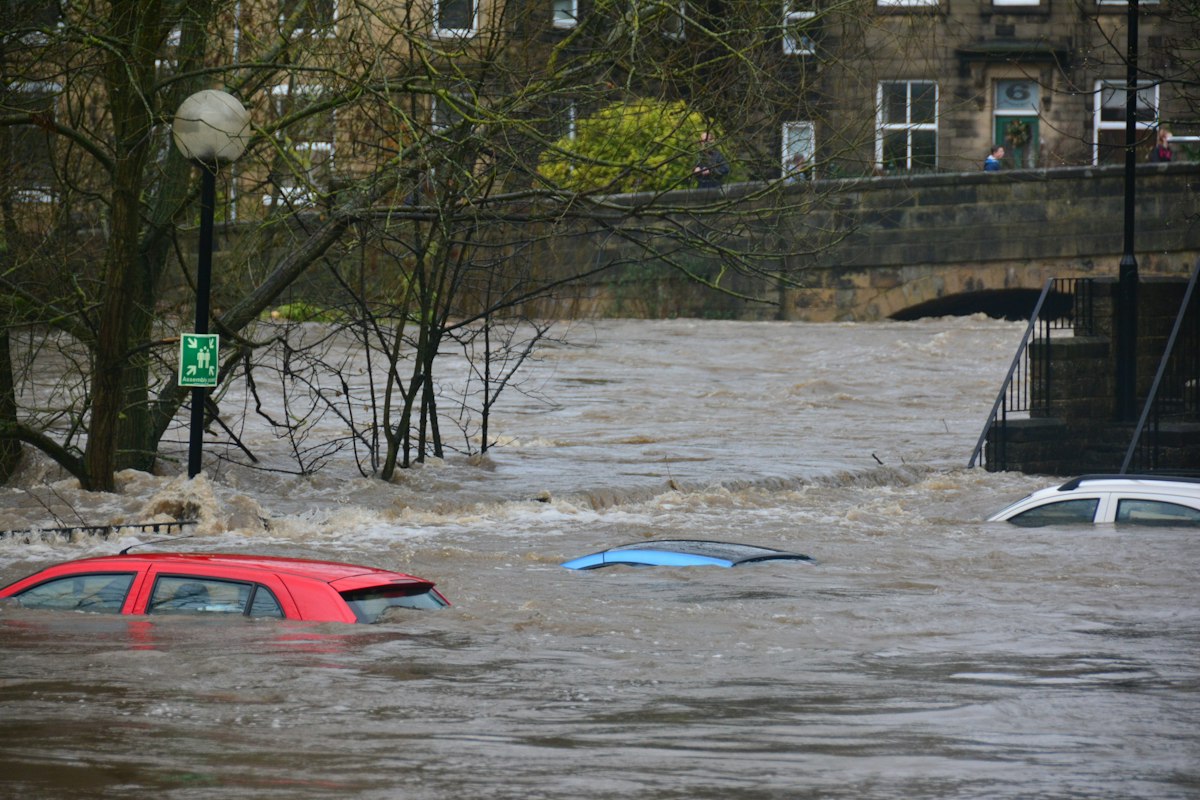
Every year around December, the same roads flood, and every year we act like we didn't see it coming.
The same roads. The same low-lying neighbourhoods in Klang, in Pahang, in Kelantan. The same photos, recognisable by the particular angle of the road sign still visible above the waterline. The same aerial shots from news helicopters. The same families on rooftops, the same rubber dinghies, the same soldiers and volunteers loading rice and mineral water into trucks. The same recovery, and then the same dry season, and then the same rain.
What's changed over the years is not the flooding. It's the response to it. Somewhere between the floods of twenty years ago and now, a collective decision was made, not formally, not announced, to absorb this into the category of things that happen, rather than things we're outraged by.
A report released a couple of years ago found that Malaysia's flood losses average in the billions of ringgit annually when property damage, emergency response, and economic disruption are counted together. These numbers are not small. But they've become background numbers, present in annual reports, cited by engineers, not quite breaking through to sustained public conversation.
The normalisation has a logic to it. Outrage is exhausting. Sustained outrage about something that recurs annually without resolution becomes, eventually, too heavy to maintain. So it settles into acceptance, which looks from the outside like indifference but is really more like the coping mechanism of people who have been through this enough times to know how it ends.
Something worth sitting with is how unevenly the burden falls. Flooding affects the same communities repeatedly, the ones that were built on flood plains because land there was affordable, or the ones that were always there before the drainage systems upstream were changed by development elsewhere. The family in the gated development on higher ground watches the flood news. The family in the terrace house by the monsoon drain packs their things again.
This is not a disaster that picks randomly. It follows geography, and geography in Malaysia follows money with considerable consistency.
The response is also where things break down. Emergency relief is mobilised and it genuinely helps. Malaysians are remarkable at turning up in a crisis, volunteers from nowhere, donations in hours. This is a real and admirable thing. But emergency response is not the same as prevention. It addresses the immediate. It doesn't change the outcome next December.
There are people who've been displaced by the same flood three times. Who've replaced the same furniture twice. Who've learned to keep their important documents in plastic folders above a certain height on the shelf, because experience.
The sandbags are already purchased. The list of emergency numbers is still saved from last year. The community WhatsApp group is already discussing which route stays passable longest.
We've become very good at flooding. That's what's hard to stop thinking about.
Setiap tahun sekitar Disember, jalan-jalan yang sama banjir, dan setiap tahun kita bertindak seolah-olah kita tidak menjangkakannya.
Jalan-jalan yang sama. Kejiranan yang sama di kawasan rendah di Klang, di Pahang, di Kelantan. Foto-foto yang sama, boleh dikenal dari sudut papan tanda jalan yang masih kelihatan di atas paras air. Gambar udara yang sama dari helikopter televisyen. Keluarga-keluarga yang sama di atas bumbung, bot getah yang sama, askar dan sukarelawan yang sama memuat beras dan air mineral ke dalam trak. Pemulihan yang sama, dan kemudian musim kemarau yang sama, dan kemudian hujan yang sama.
Apa yang berubah selama bertahun-tahun bukan banjirnya. Ia adalah tindak balas terhadapnya. Entah antara banjir dua puluh tahun lalu dan sekarang, satu keputusan kolektif telah dibuat, tidak secara formal, tidak diumumkan, untuk menyerap ini ke dalam kategori perkara yang berlaku, dan bukannya perkara yang kita marah tentangnya.
Satu laporan yang dikeluarkan beberapa tahun lalu mendapati bahawa kerugian banjir Malaysia purata berbilion ringgit setiap tahun apabila kerosakan harta, tindak balas kecemasan, dan gangguan ekonomi dikira bersama. Angka-angka ini tidak kecil. Tetapi ia telah menjadi nombor latar belakang, hadir dalam laporan tahunan, disebut oleh jurutera, tidak cukup menembus perbualan awam yang berterusan.
Penormalan itu mempunyai logiknya. Kemarahan adalah meletihkan. Kemarahan yang berterusan tentang sesuatu yang berulang setiap tahun tanpa penyelesaian menjadi, akhirnya, terlalu berat untuk dikekalkan. Jadi ia mengendap menjadi penerimaan, yang dari luar kelihatan seperti ketidakpedulian tetapi sebenarnya lebih kepada mekanisme mengatasi orang yang telah melalui ini cukup banyak kali untuk tahu bagaimana ia berakhir.
Sesuatu yang patut direnungkan ialah betapa tidak samanya beban itu jatuh. Banjir mempengaruhi komuniti yang sama berulang kali, yang dibina di dataran banjir kerana tanah di sana adalah mampu milik, atau yang sememangnya ada di sana sebelum sistem saliran di hulu diubah oleh pembangunan di tempat lain. Keluarga di kawasan perumahan pagar di kawasan lebih tinggi menonton berita banjir. Keluarga di rumah teres berdekatan longkang monsun mengemas barang-barang mereka sekali lagi.
Ini bukan bencana yang memilih secara rawak. Ia mengikut geografi, dan geografi di Malaysia mengikut wang dengan konsistensi yang ketara.
Tindak balas juga adalah di mana perkara menjadi lemah. Bantuan kecemasan dimobilisasi dan ia memang membantu. Rakyat Malaysia adalah luar biasa dalam hadir dalam krisis, sukarelawan dari mana-mana, derma dalam masa beberapa jam. Ini adalah perkara yang nyata dan boleh dipuji. Tetapi tindak balas kecemasan bukan sama seperti pencegahan. Ia menangani yang segera. Ia tidak mengubah hasil Disember hadapan.
Ada orang yang telah dipindahkan oleh banjir yang sama tiga kali. Yang telah menggantikan perabot yang sama dua kali. Yang telah belajar menyimpan dokumen penting dalam folder plastik di atas ketinggian tertentu di rak, kerana pengalaman.
Beg pasir sudah dibeli. Senarai nombor kecemasan masih disimpan dari tahun lalu. Kumpulan WhatsApp komuniti sudah membincangkan laluan mana yang kekal boleh dilalui paling lama.
Kita sudah menjadi sangat mahir dengan banjir. Itulah yang sukar untuk berhenti difikirkan.