The corridor is narrow enough that you have to turn sideways when the neighbours carry groceries. Everyone knows this and nobody mentions it.
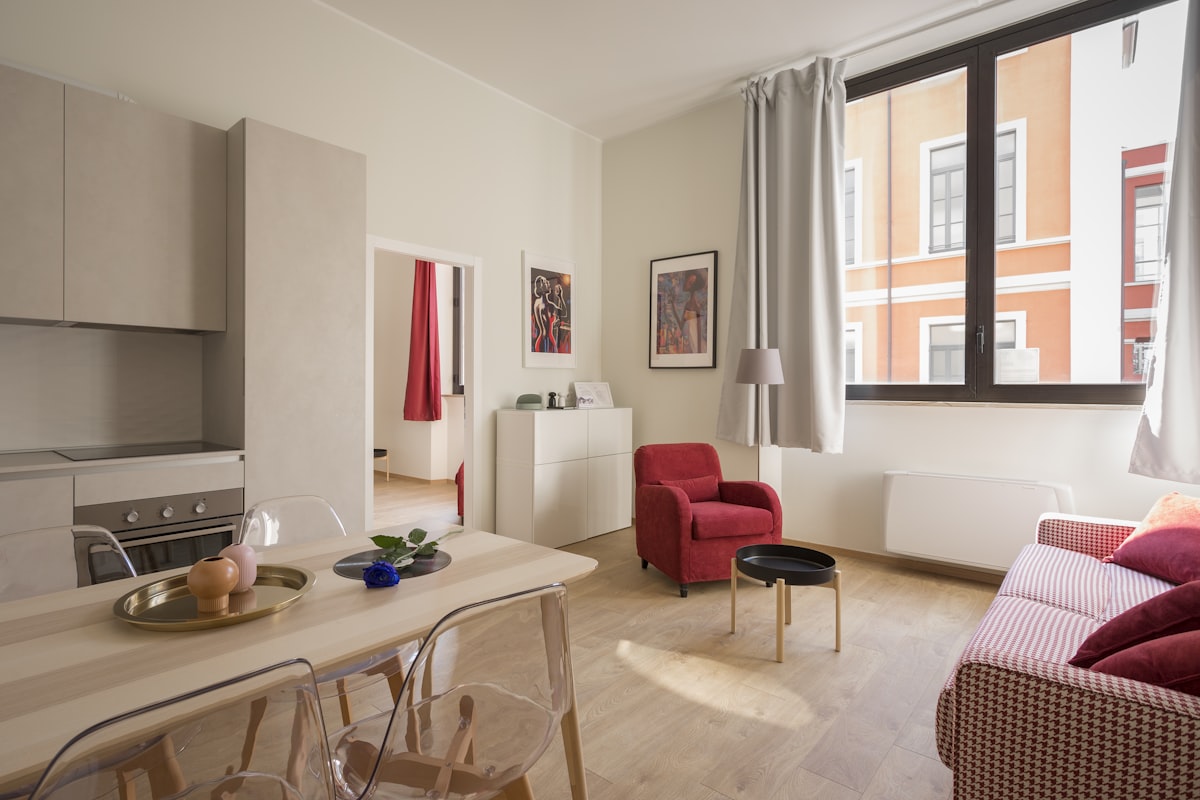
Flat 10A is on the tenth floor of a block in a PPR development somewhere on the edge of Kuala Lumpur. Three bedrooms. One bathroom. The kitchen opens directly into the living area, which means the smell of whatever is cooking is the smell of wherever you are. The windows face another block at a distance of perhaps eight metres. The view, if you can call it that, is someone else's laundry.
Five people live here. Two parents, three children. The eldest has the small room. The two younger ones share the other. The parents take what was intended as the master bedroom, which fits a bed and a wardrobe and not much else. At night, with everyone home, you know where everyone is because the sounds carry clearly through the walls and the floor and the ceiling that serves as someone else's floor above.
This is not an unusual arrangement. In the PPR blocks that ring the city, variations of this floor plan contain families of similar sizes, with similar configurations of space and people. The density is the point. These units were built to house as many families as possible in a footprint that the cost of land made necessary. The arithmetic was done correctly. The living was arranged around the result.
What gets built alongside the density is a particular kind of social knowledge. You know when the man upstairs comes home late because the door has a specific sound. You know the family two units over has a newborn because you knew before they announced it. Privacy in these buildings exists at the level of the unit door and not always beyond it. The corridor is shared. The lift is shared. The space where children ride bicycles on weekends is shared. None of this is formally organised. It simply happens because there is no alternative.
The criticism of PPR housing usually focuses on maintenance and management, lift breakdowns, water pressure, the time it takes to get anything repaired. These complaints are legitimate. But they miss something about what life in these buildings actually is, which is not simply a degraded version of something better. It is a form of living that produces its own norms and its own texture.
A woman who grew up in a block like this and has since moved out describes missing the noise of it. The specific sound of a dozen families going about their evenings simultaneously, audible through the walls. She describes it as feeling like you were never fully alone, which she means as a good thing. She lives in a quiet condominium now and finds the silence heavy.
For the family in Flat 10A, home is not a place of solitude. It is a place of proximity, of five people negotiating a limited space with a degree of fluency that only comes from years of doing it. There is a rotation for the bathroom in the morning. There is an understanding about noise after a certain hour. There is a knowledge of each other's schedules and habits that would feel intrusive in another context but here is simply practical.
The block is fifteen years old. The lift has been broken twice this year. The corridor light on the eighth floor has been out for three months. These things are true and they matter.
So does the fact that this is home, fully and without qualification, to the people who live in it.
Koridor itu cukup sempit sehingga anda perlu berpaling ke sisi apabila jiran membawa bahan-bahan runcit. Semua orang tahu ini dan tiada siapa yang menyebutnya.
Flat 10A berada di tingkat sepuluh sebuah blok dalam pembangunan PPR di suatu tempat di pinggir Kuala Lumpur. Tiga bilik tidur. Satu bilik mandi. Dapur membuka terus ke kawasan ruang tamu, yang bermakna bau apa sahaja yang dimasak adalah bau di mana sahaja anda berada. Tingkap-tingkap menghadap blok lain pada jarak lebih kurang lapan meter. Pemandangan, kalau boleh disebut begitu, adalah kain basuhan orang lain.
Lima orang tinggal di sini. Dua ibu bapa, tiga anak. Yang sulung ada bilik kecil. Dua yang lebih muda berkongsi yang lain. Ibu bapa mengambil apa yang dimaksudkan sebagai bilik utama, yang memuatkan katil dan almari dan tidak banyak yang lain. Pada waktu malam, dengan semua orang di rumah, anda tahu di mana semua orang kerana bunyi terbawa dengan jelas melalui dinding dan lantai dan siling yang berfungsi sebagai lantai orang lain di atas.
Ini bukan susunan yang luar biasa. Dalam blok PPR yang mengelilingi bandar, variasi pelan lantai ini mengandungi keluarga berukuran serupa, dengan konfigurasi ruang dan orang yang serupa. Kepadatan itu adalah intinya. Unit-unit ini dibina untuk menempatkan seramai mungkin keluarga dalam tapak yang kos tanah menjadikannya perlu. Aritmetik dilakukan dengan betul. Kehidupan tersusun di sekeliling hasilnya.
Apa yang dibina bersama kepadatan itu adalah sejenis pengetahuan sosial yang tertentu. Anda tahu bila lelaki di atas pulang lewat kerana pintunya ada bunyi yang tertentu. Anda tahu keluarga dua unit jauhnya ada bayi baru lahir kerana anda tahu sebelum mereka mengumumkannya. Privasi dalam bangunan-bangunan ini wujud pada tahap pintu unit dan tidak selalu melampaui itu. Koridor dikongsi. Lif dikongsi. Ruang di mana kanak-kanak menunggang basikal pada hujung minggu dikongsi. Tiada yang ini tersusun secara formal. Ia hanya berlaku kerana tiada alternatif.
Kritikan terhadap perumahan PPR biasanya memberi tumpuan kepada penyelenggaraan dan pengurusan, kerosakan lif, tekanan air, masa yang diperlukan untuk mendapatkan apa-apa dibaiki. Aduan-aduan ini sah. Tetapi ia terlepas sesuatu tentang apa yang kehidupan dalam bangunan-bangunan ini sebenarnya, yang bukan sekadar versi terdegradasi daripada sesuatu yang lebih baik. Ia adalah bentuk kehidupan yang menghasilkan normanya sendiri dan teksturnya sendiri.
Seorang wanita yang membesar dalam blok seperti ini dan sejak itu sudah berpindah menggambarkan merinduikan bunyinya. Bunyi khusus selusin keluarga yang menjalani petang masing-masing secara serentak, kedengaran melalui dinding. Dia menggambarkannya sebagai perasaan anda tidak pernah betul-betul bersendirian, yang dia maksudkan sebagai sesuatu yang baik. Dia kini tinggal di kondominium yang sunyi dan mendapati kesunyian itu berat.
Bagi keluarga di Flat 10A, rumah bukan tempat kesendirian. Ia adalah tempat kedekatan, lima orang yang berunding ruang yang terhad dengan kelancaran yang hanya datang daripada bertahun-tahun melakukannya. Ada giliran untuk bilik mandi pada waktu pagi. Ada pemahaman tentang bunyi selepas jam tertentu. Ada pengetahuan tentang jadual dan tabiat satu sama lain yang akan terasa mengganggu dalam konteks lain tetapi di sini adalah praktikal semata-mata.
Blok itu sudah lima belas tahun. Lif telah rosak dua kali tahun ini. Lampu koridor di tingkat lapan telah terpadam selama tiga bulan. Perkara-perkara ini benar dan ia penting.
Begitu juga hakikat bahawa ini adalah rumah, sepenuhnya dan tanpa syarat, kepada orang yang tinggal di dalamnya.