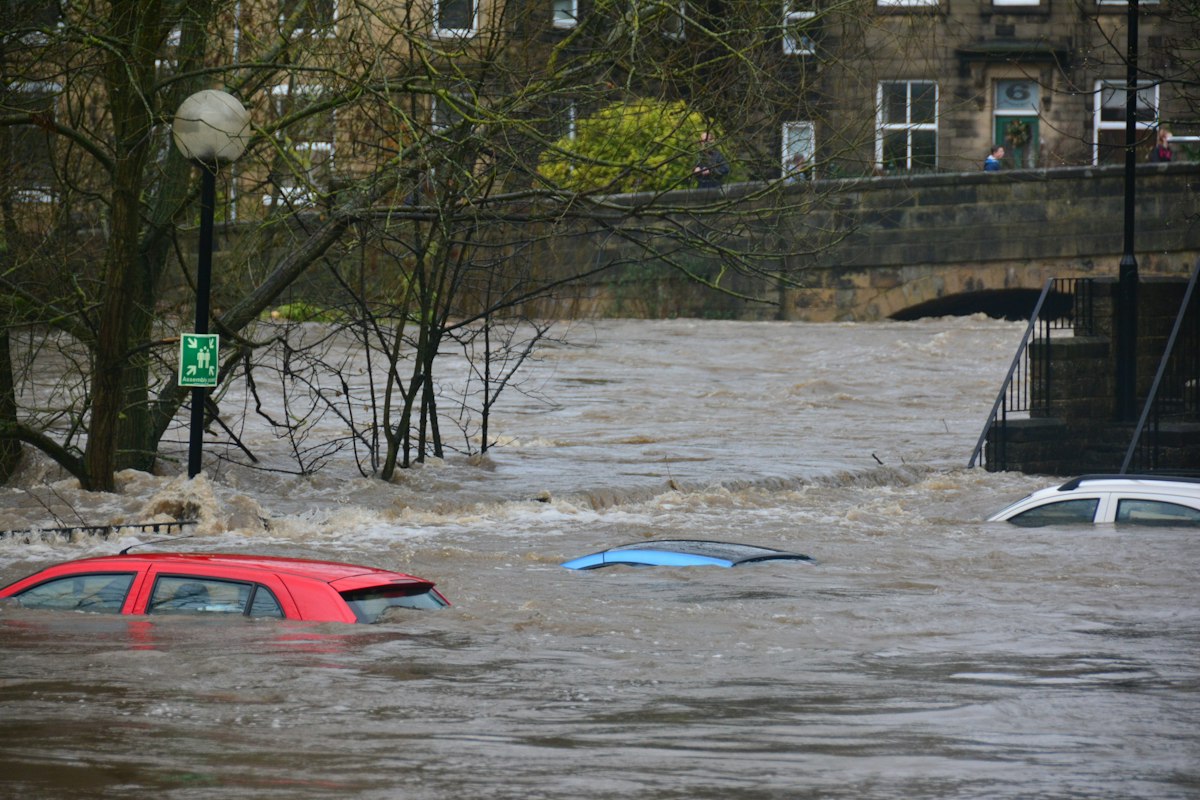
The water came on a Thursday. By Saturday it was gone, and what remained was the line on the wall and the neighbours in each other's kitchens.
10 March 2026
3 min read-- reading now
The water came on a Thursday. By Saturday it was gone, and what remained was the line on the wall, chest height, and the smell, and the neighbours in each other's kitchens helping discard what could not be saved.
Malaysian floods arrive with a quality of the inevitable. The meteorological service announces them. The WhatsApp groups track them. The evacuation centres have been activated for the same floods in the same low-lying areas often enough that the process has its own familiar shape. People who live in flood zones have prepared accordingly — the valuables on higher shelves, the car moved to higher ground the night before, the bag packed from a long habit of being ready.
What is harder to prepare for is the aftermath. The cleanup is physical labour of a particular kind. Mud does not leave easily. Furniture that absorbed water becomes heavy and wrong. The smell of flood water in a mattress is not a smell that airs out. These things have to be removed, disposed of, replaced. Replacing them costs money that the flooding has not provided.
The community that assembles after the water goes down is one of the things that does not appear in the news coverage. The neighbours who have known each other only by sight organising themselves without being organised. The young men from the next street who arrive with mops. The woman from the mosque committee who coordinates which household needs which thing. The logistics of mutual aid conducted via phone, via voice note, via the kind of face-to-face conversation that floods enforce because power and internet are sometimes down.
Flood relief in Malaysia is also political in ways that residents learn quickly. The state assemblymen appear with goods on the first day. The photographs are taken. The assistance is real and also performed. The distinction between the two is not always resented. People understand that help is help, and that the photograph is part of the compact. They take what is offered.
What is not offered, and what does not appear in the compact, is the longer-term repair. The emotional cost of returning to a home that looks like that. The month of disruption. The school that the children missed. The work that couldn't be done. These costs are carried privately.
The wall has been repainted. The line is gone. The neighbourhood has returned to its ordinary rhythms, and will continue to, until the next Thursday when the water comes.
Air datang pada hari Khamis. Menjelang Sabtu ia sudah pergi, dan yang tinggal adalah garisan pada dinding, setinggi dada, dan bau itu, dan jiran-jiran di dapur antara satu sama lain membantu membuang apa yang tidak dapat diselamatkan.
Banjir Malaysia tiba dengan kualiti yang tidak dapat dielakkan. Jabatan meteorologi mengumumkannya. Kumpulan WhatsApp menjejaki mereka. Pusat-pusat pemindahan telah diaktifkan untuk banjir yang sama di kawasan rendah yang sama cukup kerap sehingga prosesnya mempunyai bentuk biasa yang tersendiri. Orang yang tinggal di zon banjir telah bersedia mengikutnya — barang berharga di rak yang lebih tinggi, kereta dipindahkan ke tanah yang lebih tinggi malam sebelumnya, beg yang dikemas dari tabiat lama untuk bersedia.
Apa yang lebih sukar untuk disediakan adalah selepasnya. Pembersihan adalah kerja fizikal jenis tertentu. Lumpur tidak mudah pergi. Perabot yang menyerap air menjadi berat dan rosak. Bau air banjir dalam tilam bukan bau yang boleh dianginkan keluar. Perkara-perkara ini perlu dikeluarkan, dilupuskan, digantikan. Menggantikannya menelan wang yang banjir tidak menyediakan.
Komuniti yang berkumpul selepas air surut adalah salah satu perkara yang tidak muncul dalam liputan berita. Jiran-jiran yang hanya saling mengenali melalui pandangan mengatur diri mereka tanpa diatur. Pemuda dari jalan sebelah yang tiba dengan mop. Wanita dari jawatankuasa masjid yang menyelaraskan isi rumah mana yang memerlukan apa. Logistik bantuan bersama yang dijalankan melalui telefon, melalui nota suara, melalui jenis perbualan bersemuka yang banjir paksakan kerana kuasa dan internet kadang-kadang terputus.
Bantuan banjir di Malaysia juga bersifat politik dengan cara yang penduduk pelajari dengan cepat. Ahli-ahli dewan undangan negeri muncul dengan barangan pada hari pertama. Gambar diambil. Bantuan itu nyata dan juga dipersembahkan. Perbezaan antara kedua-duanya tidak selalu dibenci. Orang faham bahawa bantuan adalah bantuan, dan gambar adalah sebahagian daripada perjanjian. Mereka mengambil apa yang ditawarkan.
Apa yang tidak ditawarkan, dan yang tidak muncul dalam perjanjian, adalah pembaikan jangka panjang. Kos emosi kembali ke rumah yang kelihatan seperti itu. Sebulan gangguan. Sekolah yang kanak-kanak terlepas. Kerja yang tidak dapat dilakukan. Kos-kos ini dibawa secara peribadi.
Dinding telah dicat semula. Garisan sudah hilang. Kejiranan telah kembali kepada irama biasanya, dan akan terus berbuat demikian, sehingga Khamis berikutnya apabila air datang.